2026 Best Wall Panels vs Tiles Which Is Cheaper?

Time:2026-09-17 Author:Oliver
0%

Are wall panels cheaper than tiles? The honest answer depends on more than the shelf price. Wall panels often cost less to install because they cover large areas quickly. Fewer joints can also reduce grout, adhesive, and cutting waste. That matters in a compact bathroom with awkward corners.

Tiles may look cheaper per box. The final bill can change after waterproofing, leveling, trims, labor, and sealing are included. A damaged wall can make panel installation less simple. A tiled surface can also demand skilled preparation. Poor preparation causes loose tiles, cracked grout, or water damage behind the finish.

Mike Holmes, a respected Canadian contractor and renovation expert, often shares this practical advice: “Make it right the first time.” That principle matters when comparing panels and tiles. A low purchase price is not a low project cost if repairs arrive early. Calculate materials, installation time, maintenance, expected lifespan, and replacement difficulty.

Panels may suit homeowners seeking fewer seams and faster cleaning. Tiles can offer stronger design flexibility and easier spot replacement. However, quality varies widely between waterproof panels, PVC sheets, laminate systems, porcelain, and ceramic products. Some inexpensive panels can scratch or fade. Some premium tiles require costly labor.

This guide examines realistic 2026 pricing and installation conditions. It also considers long-term value, not just checkout totals. The answer is not perfectly tidy. Local wages, room size, wall condition, and product quality can reverse the result. A careful comparison should use quotes from qualified installers and product specifications. That is where the real savings become visible.
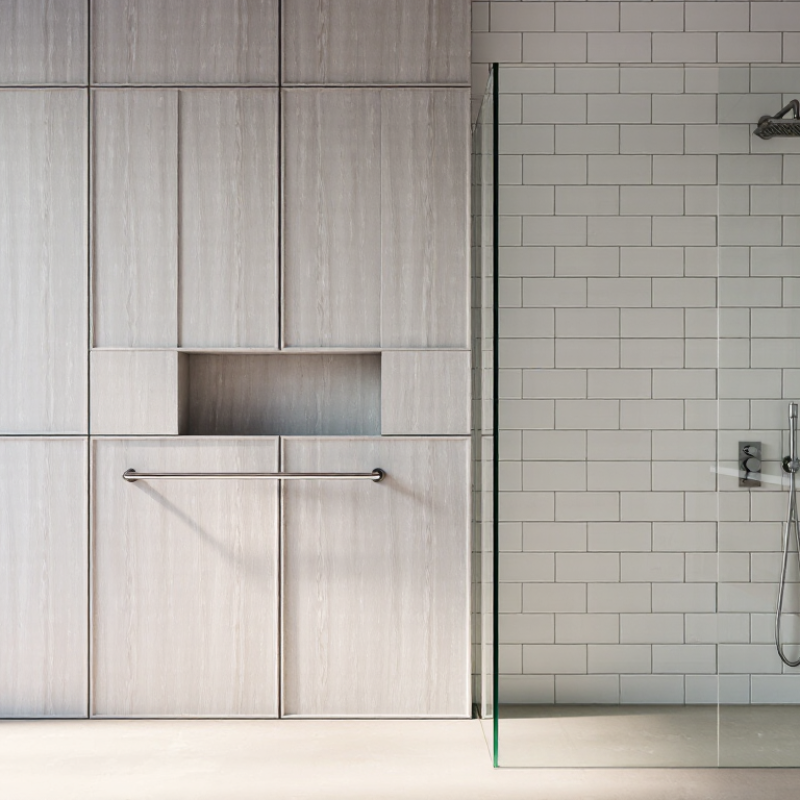
2026 Best Wall Panels vs Tiles Which Is Cheaper?

What Are Wall Panels and Tiles?

Wall panels and tiles are not interchangeable products. Wall panels are large sheets made from PVC, acrylic, aluminum composite, or laminated materials. They cover more surface with fewer joints. Tiles are smaller ceramic or porcelain units fixed individually with adhesive and grout. That difference changes installation time, maintenance, and waste.

The Tile Council of North America notes that porcelain tile has water absorption of 0.5% or less under ANSI A137.1. This makes it suitable for wet rooms when installed correctly.

Grand View Research estimated the global ceramic tiles market at about US$227 billion in 2023, with continued growth expected through 2030. These figures show strong demand, but they do not prove tiles are always cheaper.

On a real bathroom project, panels can reduce labor because installers handle fewer pieces and almost no grout lines. A damaged section, however, may be harder to replace without visible color differences. Tiles usually cost more to install, especially with uneven walls, but individual pieces are easier to repair. Material prices also vary widely. A low-cost panel may seem cheaper until trims, waterproofing, and substrate repairs are added. The comparison is not perfectly fair. Measuring the whole installed system is more reliable than comparing price per square meter.

How Do Wall Panel and Tile Costs Compare in 2026?

In 2026, wall panel and tile costs depend on more than the material price. A 60-square-foot shower may need waterproofing, surface repairs, trims, and installation. The comparison is not perfectly clean.

Benchmarks assembled from 2025 RSMeans construction cost data place basic installed wall panels near $7–$15 per square foot. Ceramic wall tile often reaches $10–$25 per square foot, especially with detailed layouts. Panels usually install faster, with fewer cuts and no grout lines. That can reduce labor, dust, and disposal costs. Labor changes everything. The U.S. Bureau of Labor Statistics reported a median wage of about $24 per hour for tile and stone setters in May 2024, before contractor overhead and regional pricing. Skilled installation can therefore exceed the panel’s purchase price.

The 2025 U.S. Houzz Bathroom Trends Study reported a median major bathroom renovation spend of roughly $13,500. This figure covers the whole project, not just wall surfaces, but it shows how quickly labor and plumbing increase budgets. Tile may cost more initially, yet it offers flexible patterns and easier individual repairs. Panels can be cheaper for a clean, fast renovation, but damaged sections may be harder to replace. I would not trust one national average. A sloping wall, hidden moisture, or custom trim can change the final quote within hours.

Which Installation Factors Affect the Total Price?

In 2026, wall panels may look cheaper than tiles, but installation usually controls the final price. Experienced estimators check the wall before comparing materials. Uneven framing can require shimming, leveling, or new moisture-resistant boards. That preparation adds labor to either option.

The U.S. Bureau of Labor Statistics reported a median annual wage near $49,000 for tile and stone setters in May 2023. Labor hours matter. Tiles require adhesive, grout, spacing, cuts, and curing time. Complex corners or small mosaics increase waste. Panels install faster, but large sheets need careful measuring and two-person handling. Plumbing openings can also create expensive mistakes. Measure twice.

Demolition and disposal are easy to overlook. Removing old tile may damage the substrate, while panels can sometimes cover a sound, flat surface. Waterproofing is another price factor. The Tile Council of North America recommends tested waterproofing systems in wet areas, not shortcuts. Material prices may be lower, but poor sealing can create future repair costs. Houzz’s 2024 U.S. study reported a $35,000 median spend for major bathroom renovations, showing how installation decisions fit inside a much larger budget. Regional wages, access conditions, delivery fees, and project delays can change the estimate. A simple wall is rarely simple.

2026 Best Wall Panels vs Tiles: Which Is Cheaper?

Typical U.S. residential planning estimates shown in USD per square foot. Wall panels generally reduce labor, grout, and waterproofing time, while tile installations cost more when they require detailed layout, surface preparation, waterproofing, cutting, and grouting. Actual prices vary by material quality, room condition, project size, and local labor rates.

How Do Durability, Maintenance, and Lifespan Differ?

When choosing wall panels or tiles in 2026, price is only the first measurement. Durability often decides the real cost over a bathroom’s working life. Quality panels create fewer joints, so water has fewer paths toward the substrate. Tiles can last for decades when properly installed, but cracked grout can invite staining and hidden moisture. I have seen a beautiful tiled shower fail because one neglected joint stayed damp.

Wall panels usually clean faster. A soft cloth and mild cleaner may handle daily soap film. Their broad surfaces reduce scrubbing around grout lines. Yet scratches, heat damage, or a poor edge seal can be difficult to repair invisibly. Tiles tolerate localized replacement better. A single damaged tile can often be removed without disturbing the whole wall. That sounds cheaper, but matching old color and grout is not always simple.

Lifespan depends less on the material alone than on installation, ventilation, and maintenance habits. Panels may offer lower labor costs and fewer routine repairs. Tiles may demand more cleaning, but their hard surface can remain serviceable for many years. Neither choice is maintenance-free. Some panel systems also need careful expansion gaps, which inexperienced installers may overlook. My practical view is cautious: choose panels for simpler upkeep, or tiles for repair flexibility and proven long-term service. Check the wall condition first. A cheap finish over damp backing will not age well.

Which Option Offers Better Value for Different Rooms?

Wall Panels vs Tiles: Which Offers Better Value for Different Rooms?

Wall panels often cost less in bedrooms, hallways, and home offices. Large sheets cover walls quickly, reducing grout and labor costs. They also create fewer joints where dust can collect. A panel can be wiped clean after a muddy shoe mark or coffee spill. However, low-cost panels may scratch, fade, or feel less solid over time. The cheapest quote is not always the best value.

Tiles usually make more sense in bathrooms, kitchens, and utility rooms. They handle moisture, heat, and frequent cleaning well when installed correctly. Small tiles can also shape around corners and uneven surfaces. Yet, installation requires careful waterproofing, adhesive, grout, and drying time. These details raise the final bill. A cracked tile can be replaced individually, while a damaged panel may require a larger section.

Room use matters more than appearance. For a quiet bedroom, panels may deliver warmth and speed. In a shower area, properly sealed tiles often offer stronger long-term protection. I have seen homeowners choose panels for every room, then regret using them near constant water. I have also seen expensive tiles installed where simple panels would have worked. Measure the wall, check ventilation, and ask for the full installation cost. Include trims and repairs. That is where estimates often become unclear. Value is personal, and durability should match daily use.

2026 Best Wall Panels vs Tiles Which Is Cheaper? - Which Option Offers Better Value for Different Rooms?

Room / Use Recommended Wall Panel Recommended Tile Typical Installed Cost for Panels
(USD/ft²)
Typical Installed Cost for Tiles
(USD/ft²)
Expected Service Life Routine Maintenance Better Overall Value
Bathroom shower walls Waterproof PVC, acrylic, or solid-surface panels with sealed joints Porcelain or glazed ceramic tile with a properly waterproofed substrate $12–$30 $15–$40 Panels: 10–20 years
Tile: 25–50+ years
Low for panels
Moderate for tile grout
Panels for lower initial cost
Tile for longevity
Bathroom walls outside the shower Decorative PVC or moisture-resistant composite panels Ceramic wall tile or porcelain tile $9–$24 $12–$32 Panels: 10–20 years
Tile: 25–50+ years
Low for both; grout needs periodic cleaning Wall panels
Kitchen backsplash PVC, laminate, glass-look, or composite backsplash panels Glazed ceramic, porcelain, or glass mosaic tile $8–$22 $12–$30 Panels: 10–15 years
Tile: 20–40+ years
Low for panels
Low to moderate for tile
Panels for budget and speed
Tile for resale appeal
Laundry or utility room Moisture-resistant PVC or composite panels Glazed ceramic or porcelain tile $9–$22 $12–$28 Panels: 10–20 years
Tile: 25–50+ years
Low for both Wall panels
Living room feature wall 3D PVC, MDF, wood-look, or acoustic decorative panels Porcelain, ceramic, stone-look, or thin brick tile $8–$25 $12–$35 Panels: 10–20 years
Tile: 30–50+ years
Low for both; panels may need dusting Panels for flexibility
Tile for permanent finish
Bedroom or home office accent wall MDF, wood-look, felt, or lightweight decorative panels Ceramic, porcelain, or decorative stone-look tile $7–$22 $12–$32 Panels: 8–20 years
Tile: 25–50+ years
Low for both Wall panels
Basement or damp-prone room Non-porous PVC or cement-based panels; install only after moisture control Porcelain tile over a suitable, moisture-managed substrate $10–$26 $14–$34 Panels: 10–20 years
Tile: 25–50+ years
Low, provided condensation is controlled Porcelain tile for durability
Panels for faster installation
Cost and value notes: The figures are typical U.S. planning ranges for 2026 and include ordinary material, adhesive or mortar, labor, and basic finishing. They generally exclude major wall repairs, demolition, plumbing changes, waterproofing remediation, complex patterns, premium natural stone, and regional labor differences. Wall panels usually cost less initially and install faster because they have fewer joints. Tiles generally offer a longer service life, stronger resistance to heat and scratching, and easier spot replacement, which can produce better long-term value in high-use or permanently wet areas.

FAQS

How much do wall panels and tiles cost in 2026?

Basic installed wall panels often cost $7–$15 per square foot. Ceramic wall tile commonly costs $10–$25 per square foot. Layout complexity can increase tile costs.

Why can installation change the final price?

Labor may exceed the material cost. Installers charge for cutting, surface repairs, waterproofing, trims, adhesive, grout, and cleanup. Regional rates also vary.

Which option is usually cheaper for a 60-square-foot shower?

Panels may cost less because they install quickly and require fewer cuts. Tiles can cost more after waterproofing, grout, drying time, and detailed labor. The wall condition matters.

Are wall panels suitable for every room?

Panels often work well in bedrooms, hallways, and home offices. They cover large areas quickly and have fewer joints. Low-cost panels may scratch or fade.

Where do tiles usually provide better value?

Tiles often suit bathrooms, kitchens, and utility rooms. Properly installed tiles handle moisture, heat, and frequent cleaning. Small tiles can follow corners and uneven surfaces.

Which material is easier to repair?

Individual tiles can usually be replaced when cracked. A damaged panel may require replacing a larger section. Matching an older panel can be difficult.

Can panels reduce cleaning work?

Usually, yes. Fewer joints leave fewer places for dust and grime. A smooth panel can be wiped after a coffee spill or muddy shoe mark.

What should a homeowner include in a quote?

Request material, labor, waterproofing, trims, repairs, disposal, and surface preparation separately. Measure the walls carefully. Measure twice. Hidden moisture can change the price quickly.

Is the cheapest option always the best value?

No. Panels may save time but perform poorly beside constant water if poorly sealed. Tiles may cost more initially but last longer in demanding rooms. I would still question every estimate.

Conclusion

In 2026, the choice between wall panels and tiles depends on more than the initial purchase price. Wall panels are typically large, lightweight sheets designed for faster installation, while tiles are individual pieces that require careful spacing, adhesive, and grout. When asking “are wall panels cheaper than tiles,” the answer is often yes for projects where reduced labor, simpler preparation, and fewer installation materials matter. However, the final cost can vary according to room size, surface condition, design, waterproofing needs, and the complexity of cutting or fitting around fixtures.

Wall panels may also offer easier cleaning, fewer joints, and strong moisture resistance, while quality tiles can provide excellent durability and a longer service life when properly installed and maintained. Panels can be a practical value choice for bathrooms, utility areas, and quick renovations, whereas tiles may be preferable when homeowners want highly customized patterns, premium textures, or easy replacement of individual sections. Comparing installation, maintenance, lifespan, and appearance together helps determine the better option for each room.

Oliver

Oliver

Oliver is a seasoned marketing professional with a wealth of expertise in driving brand awareness and engagement. With a deep understanding of our company's product offerings, he consistently delivers high-quality content that enriches our professional blog. His insights not only shed light on......