When considering home improvement, soundproofing walls is often overlooked. Noise pollution can significantly affect our well-being and productivity. According to a 2021 study by the World Health Organization, prolonged exposure to noise can lead to sleep disturbances and stress-related issues. Thus, understanding what materials are best for soundproofing walls is essential.
Choosing the right soundproofing materials can make a substantial difference. Industry experts suggest that materials like acoustic panels, mass-loaded vinyl, and soundproof drywall are among the top-rated options. Each material varies in effectiveness and cost, making it vital to assess individual needs. However, even the best materials can fall short if not installed correctly. Installation errors often lead to disappointing results, highlighting the importance of expert guidance.
Generally, it’s crucial to weigh your options carefully. While some materials may promise high performance, their effectiveness can depend on room dimensions and existing structure. Realizing that not every solution will work seamlessly leads to better decision-making. Focusing on tailored solutions ensures optimal soundproofing outcomes in your space.
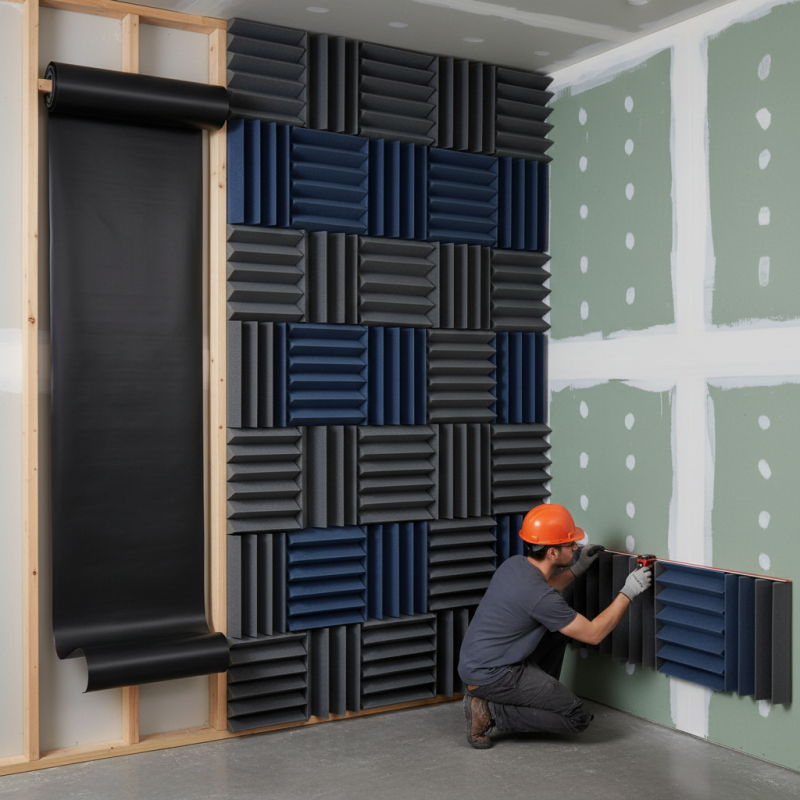
Soundproofing Basics: Understanding Noise Control Principles
Understanding noise control principles is essential for effective soundproofing. Noise is categorized into airborne, structure-borne, and impact noise. Airborne noise, such as music or conversation, travels through the air. Structure-borne noise occurs through vibrations in walls and floors. According to the World Health Organization, continuous noise levels above 65 dB can disrupt sleep and impair learning.
To mitigate noise, choosing appropriate wall materials is critical. Heavy and dense materials are effective at blocking noise. For instance, mass-loaded vinyl barriers can reduce sound transmission significantly. Research shows that adding 1 pound per square foot of mass can decrease noise by up to 3 dB. However, simply increasing mass may not always be effective. Gaps and cracks can compromise soundproofing efforts. Using acoustical caulk to seal these gaps is often necessary.
The absorption coefficient of a material also plays a role. Soft materials like acoustic panels absorb sound, while hard surfaces reflect it. This balance influences a room's acoustics. Many people overlook the importance of room layout. Furniture placement can impact sound waves. Thoughtful arrangement may enhance noise control beyond just material choices. Moreover, understanding your specific noise sources is vital for targeted solutions.
Types of Soundproofing Wall Materials: An Overview
When considering soundproofing wall materials, it's essential to understand the various types available. Soundproofing often involves a mix of mass, damping, decoupling, and absorption. According to industry reports, materials with higher density contribute significantly to sound reduction. For instance, concrete and bricks are renowned for their mass and effectiveness. These materials often achieve a sound transmission class (STC) rating above 50, making them ideal for building noisy spaces.
Acoustic panels and foam serve a different purpose. They absorb sound rather than block it. These materials are ideal for studios and home theaters. Reports indicate that acoustic foam can reduce sound reflections by up to 75%. However, their effectiveness varies depending on installation and placement. This raises questions about the best practices when incorporating them into designs.
Another option is mass-loaded vinyl (MLV). While it adds substantial mass to walls, it might not be suitable for all applications due to its weight. MLV provides an STC rating improvement of around 10-15 points, a significant benefit in many situations. However, it requires careful installation to be effective. Each material has strengths and weaknesses, urging consumers to reflect on their specific needs.
Acoustic Panels: Benefits and Best Uses
Acoustic panels are an excellent choice for soundproofing. They absorb sound waves, reducing echoes significantly. These panels are made from various materials like foam, fabric, and fiberglass. Each type has unique benefits suited for different environments. In studios, for example, foam panels work well to enhance sound clarity. They create a more controlled listening experience.
The placement of these panels is crucial. Strategic positioning can make a noticeable difference. For instance, placing them on walls adjacent to noisy streets can minimize outside disturbances. It's important to consider the design; visually appealing panels can complement room aesthetics. However, they may not suit every décor style. It's vital to weigh functionality against style when choosing.
While acoustic panels are beneficial, they are not flawless solutions. Some users find that they don't eliminate sound completely. A combination of soundproofing methods may be necessary. For optimum results, it's essential to assess your specific needs. Every space is different, so what works for one might not work for another. Continuing to explore various options can lead to better sound environments.
Top 10 Best Soundproofing Wall Materials
Mass Loaded Vinyl: Effective Noise Barrier Solution
Mass Loaded Vinyl (MLV) is an innovative material used for soundproofing walls. Its dense, flexible nature makes it a popular choice for residential and commercial applications. MLV works by adding mass to walls, which helps block sound waves. This feature is essential for creating quiet spaces, whether for home studios, media rooms, or bedrooms.
When installing MLV, it’s crucial to ensure proper sealing. Gaps and air spaces may reduce its effectiveness. Some people rush this step, thinking it’s unimportant. However, without a complete seal, noise can still leak through. Additionally, consider the weight of MLV. It requires sturdy support during installation. Walls must be examined closely to handle the added weight.
Users often find MLV challenging to work with. It can be cumbersome and unwieldy. Cutting MLV to fit can also be tricky, as it requires precise measurements. Trying to save costs by opting for thinner materials may lead to poorer sound insulation. Reflecting on these challenges, it’s clear that while MLV is an effective noise barrier, preparation and careful execution are key to achieving optimal results.
Insulation Options: Comparing Rigid Foam, Fiberglass, and Mineral Wool
When considering soundproofing materials for walls, insulation plays a crucial role.
Rigid foam, fiberglass, and mineral wool are popular options, each with unique benefits. Rigid foam provides excellent thermal resistance, boasting an R-value of up to 6.5 per inch. This material can effectively reduce sound transmission, but its application requires precise installation to avoid gaps that compromise performance.
Fiberglass insulation is widely used for its affordability and versatility. It can achieve an R-value of around 3.2 to 4.3 per inch. However, while it is effective at absorbing sound, its performance may not match that of mineral wool in specific applications.
Mineral wool stands out due to its inherent fire resistance and excellent soundproofing capabilities, with R-values similar to fiberglass but more efficient in blocking airborne noise. It absorbs sound waves better, making it a prime choice for home studios or media rooms.
Soundproofing isn't just about numbers. Each material has a learning curve. Proper installation is essential to maximize performance. Additionally, factors like moisture resistance and environmental impact should be considered. Some materials may release gases or require protective gear during installation. Weighing the pros and cons of each material can lead to more informed decisions.
FAQS
: Acoustic panels absorb sound waves and reduce echoes, enhancing sound quality in various environments.
Strategic placement is crucial. For example, position them on walls facing noisy streets to minimize disturbances.
Yes, they can enhance room aesthetics. However, they may not fit all décor styles, so consider this when choosing.
No, they do not fully eliminate sound. Combining different soundproofing methods may yield better results.
MLV is a dense material that helps soundproof walls by blocking sound waves, effective in homes and studios.
Yes, gaps can reduce effectiveness. Ensure a complete seal to prevent noise from leaking through.
Rigid foam, fiberglass, and mineral wool are popular choices, each with unique benefits for sound absorption.
It offers high thermal resistance but requires precise installation to avoid gaps that affect soundproofing.
Mineral wool excels in soundproofing and fire resistance, making it effective for critical areas like studios.
Consider factors like installation challenges, environmental impact, and performance to make informed decisions.
Conclusion
When considering what materials are best for soundproofing walls, it's essential to understand the fundamentals of noise control. The article outlines various types of soundproofing materials, providing insights into their effectiveness and applications. Acoustic panels, known for their ability to absorb sound and reduce echoes, are ideal for spaces that require enhanced sound quality. Mass Loaded Vinyl serves as a robust noise barrier, effectively blocking sound transmission in various environments.
Additionally, insulation options like rigid foam, fiberglass, and mineral wool are compared for their soundproofing capabilities. Each material offers distinct advantages, catering to different needs and preferences. By evaluating these options, homeowners and builders can make informed decisions about which soundproofing wall materials best suit their specific requirements.

 RefDura Panle