Choosing a wall finish in China is rarely just a price comparison. A low-cost roll may look attractive at 18 yuan per square meter. Yet installation waste, adhesive, repairs, and replacement can quickly change the final bill. For this reason, buyers often ask, “what is the most cost effective wall covering solution?”
The answer depends on the room, building condition, labor rates, and expected service life. Standard emulsion paint may suit dry bedrooms and rental apartments. Vinyl wallpaper can offer stronger pattern control and easier cleaning. PVC panels may perform better in humid kitchens or commercial corridors. WPC panels, bamboo coverings, washable fabric, and ceramic tiles also deserve careful comparison. Each option has a different balance between appearance, durability, maintenance, and installation speed.
Mike Holmes, a Canadian contractor and building expert, often emphasizes, “Do it right the first time.” That principle matters here. A wall covering that hides cracks today may fail when moisture enters behind it. A cheaper product is not always cheaper over five years. Measure the wall carefully. Check fire ratings, moisture resistance, warranty terms, and replacement availability. Ask for a sample before ordering hundreds of square meters.
There is no universal winner. That is the uncomfortable part. The most economical choice may look ordinary, but it should remain clean, stable, and repairable. This guide compares China’s top ten cost-effective wall covering solutions through practical installation details, lifecycle value, and everyday performance. Some conclusions may change by project. That is worth admitting.
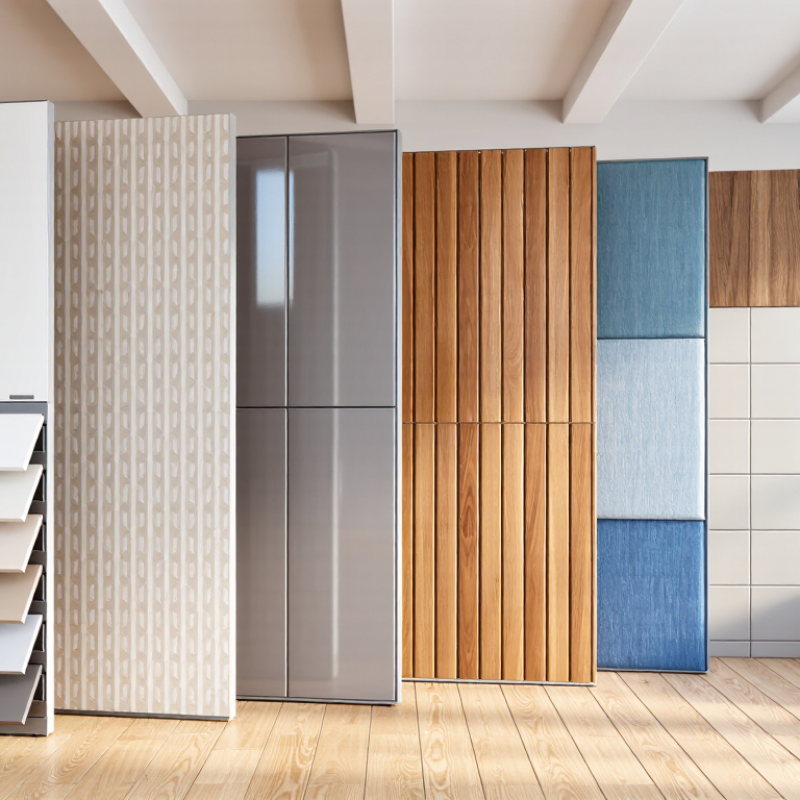
In China, a cost-effective wall covering is not simply the cheapest roll. It must balance purchase price, installation time, maintenance, and service life. Projects in humid coastal cities need different performance from those in dry northern regions. That local distinction matters. From commercial fit-out reviews, experienced buyers check moisture resistance, fire-test documentation, surface preparation, and replacement access before comparing quotations. A low price can hide uneven walls, extra adhesive, or skilled-labor costs. These details change the final budget.
Material efficiency is another practical measure. Vinyl-coated paper, textile-based coverings, mineral finishes, and washable composite panels suit different spaces.
For busy corridors, a scrub-resistant surface may cost more initially but reduce repainting and downtime. For rental housing, easy removal and standardized roll sizes can limit future waste. Accurate room surveys are essential. Installers should measure openings, corners, ceiling height, and likely pattern loss. Even a small design repeat can increase offcut waste.
Reliable suppliers provide clear specifications, batch consistency, installation guidance, and realistic delivery schedules. Buyers should request samples, verify test reports, and inspect one completed area before wider installation. This is where professional judgment matters more than attractive online pricing. Still, no checklist predicts every site problem. A rushed decision may look efficient on paper, while peeling edges or color variation later reveal its weakness. Sometimes the sensible choice is not the lowest quote, although I still question whether every premium feature earns its place.
China’s budget-friendly wall covering market offers more than one cheap answer. In renovation work, material price is only part of the calculation. Surface preparation, labor, waste, and future repairs can change the final budget. Ten practical choices include water-based paint, vinyl wallpaper, nonwoven wallpaper, PVC panels, gypsum board, ceramic tile, bamboo panels, cork sheets, fabric panels, and lime plaster.
Water-based paint usually suits bedrooms and rental apartments. It dries quickly and allows easy color changes. Vinyl wallpaper handles light cleaning and hides minor surface marks. PVC panels work well in humid areas, but installers should check ventilation and fire performance. Ceramic tile costs more to install, yet it offers strong moisture resistance in kitchens and bathrooms. Gypsum board creates a smooth finish and supports simple partitions. Bamboo, cork, and fabric add warmth, though they need careful moisture control.
On one small renovation, my early budget draft underestimated wall repairs. That mistake was useful. The lowest purchase price did not produce the lowest finished cost. I now request samples, installation estimates, moisture data, and formal safety test reports before approval. Lime plaster can create a soft, natural texture, but skilled application affects the result greatly. Local climate, room use, cleaning habits, and expected service life should guide the choice. A cheap wall can still look poor when seams, corners, or uneven substrates receive little attention.
In China, wall covering value depends on more than the purchase price. Paint usually costs about RMB 30–100 per square meter installed and offers easy color changes. Standard wallpaper may reach RMB 60–180, with better texture but weaker moisture resistance. Vinyl wallpaper costs more, often RMB 90–240, yet it handles kitchen splashes and frequent cleaning better. Non-woven wallpaper feels breathable and refined, although careless installation can expose seams.
PVC wall panels RMB 100–260 per square meter. They install quickly and resist water, but low-grade panels may look artificial.
Bamboo covering costs about RMB 160–380 and brings warmth, while humidity control remains important.
Wood veneer can reach RMB 220–500, offering a premium appearance and moderate durability. It needs careful sealing.
Real stone veneer often exceeds RMB 280–650, performs strongly, but adds weight and installation time.
Ceramic tile costs around RMB 120–400 and remains excellent in wet areas. It can feel cold.
Fabric acoustic panels usually cost RMB 180–450. They reduce echo in offices and bedrooms, but dust removal is less convenient.
These figures reflect common project estimates, not fixed quotations. Labor, wall preparation, floor level, and fire-safety requirements can change the final bill sharply. My early estimates were too optimistic. I once ignored surface repair costs, and the budget rose noticeably. Performance also depends on ventilation, cleaning habits, and installer skill. A cheap covering may become expensive after early replacement.
Choosing a cost-effective wall covering in China requires more than comparing factory prices. Evaluate the complete lifecycle cost, including shipping, installation, repairs, and replacement. PVC panels may suit wet rooms, while bamboo-fiber boards can provide a warmer appearance in living areas. Wallpaper remains affordable for dry spaces, but it may need earlier replacement in humid conditions.
Check moisture resistance, fire performance, surface durability, and indoor air quality documentation. Ask suppliers for test reports, installation instructions, and product samples. A sample should be tested near a window, behind furniture, and in a damp corner. Notice swelling, odor, color changes, and cleaning resistance. Certified materials and traceable production records improve reliability, though documents still require careful verification. The lowest quotation can hide weak backing, inconsistent thickness, or expensive labor.
Tips: Compare prices per finished square meter, not per package. Request a small trial installation before ordering in bulk. Confirm batch consistency and spare-material availability. Calculate waste, especially around doors and electrical outlets. A professional installer should explain adhesive requirements and wall preparation. Keep written specifications and delivery terms. I have seen attractive estimates become costly after poor leveling was discovered. That mistake is easy to repeat. A slightly higher-quality covering may reduce maintenance, but the right choice depends on room use, climate, and expected service life.
| Rank | Wall Covering Solution | Typical Installed Cost in China (CNY/m²) |
Expected Service Life | Moisture Resistance | Maintenance Level | Fire Performance | Best Applications | Key Selection Considerations |
|---|---|---|---|---|---|---|---|---|
| 1 | Interior Latex Paint | ¥25–80 | 3–8 years before major recoating | Moderate; higher with kitchen or bathroom-grade coatings | Low; easy to clean and repair | Depends on the coating classification and substrate | Bedrooms, offices, schools, rental properties, and general interiors | Choose low-VOC paint, prepare the wall properly, and confirm washability and mildew resistance. |
| 2 | Decorative Wall Putty and Textured Coating | ¥35–100 | 5–10 years with sound substrate preparation | Moderate; vulnerable to persistent dampness | Low to moderate; localized repairs are possible | Generally non-combustible mineral base, subject to the complete system | Feature walls, commercial interiors, corridors, and budget renovations | Check crack-bridging ability, adhesion, color consistency, and resistance to powdering. |
| 3 | PVC Wall Panels | ¥60–160 | 8–15 years indoors | High; suitable for humid areas when joints are sealed | Low; smooth surfaces are easy to wipe | Must be verified by the tested product classification; some PVC products produce smoke when burning | Utility rooms, kitchens, bathrooms, corridors, and low-cost commercial fit-outs | Review panel thickness, joint detailing, odor, dimensional stability, and fire documentation. |
| 4 | Ceramic Wall Tile | ¥90–260 | 15–30 years or longer with proper installation | Very high | Low; grout may require periodic cleaning or renewal | Non-combustible | Bathrooms, kitchens, hospitals, food-service areas, and high-traffic spaces | Consider water absorption, slip risk at floor transitions, grout quality, substrate flatness, and future replacement difficulty. |
| 5 | Fiberglass Wallcovering | ¥100–280 | 10–20 years when painted and maintained | High after suitable finishing paint is applied | Low to moderate; can often be repainted | Typically good, but the full wall system must be tested | Hotels, offices, healthcare areas, stairwells, and high-wear interiors | Evaluate weave strength, paint compatibility, seam visibility, and installer experience. |
| 6 | Standard Vinyl Wallcovering | ¥100–300 | 7–15 years indoors | High for washable grades; seams still need protection | Low; many surfaces are washable | Confirm smoke, flame-spread, and wallcovering test results for the intended building | Hotels, offices, retail interiors, healthcare facilities, and corridors | Check surface wear layer, PVC content, pattern repeat, adhesive compatibility, and indoor-air requirements. |
| 7 | Bamboo or Wood Veneer Panels | ¥180–500 | 10–20 years indoors | Moderate; requires moisture control and protective finishing | Moderate; scratches and damaged finishes may need refinishing | Must be treated and documented according to project fire requirements | Reception areas, restaurants, offices, hospitality spaces, and feature walls | Assess moisture content, formaldehyde emissions, surface finish, fire treatment, and expansion gaps. |
| 8 | WPC Decorative Wall Panels | ¥160–420 | 10–20 years indoors | High in normal indoor humidity; avoid prolonged water exposure unless rated | Low; generally easy to clean | Verify flame-retardant grade, smoke performance, and complete assembly testing | Feature walls, retail spaces, offices, hotels, and residential interiors | Compare density, thermal expansion, surface durability, recycled content, and concealed fixing details. |
| 9 | Mineral or Fiber-Cement Decorative Panels | ¥180–450 | 15–30 years indoors | High, subject to sealed edges and correct installation | Low to moderate; damaged boards may require replacement | Generally strong because mineral-based boards are non-combustible or highly fire resistant | Public buildings, transport facilities, corridors, commercial interiors, and damp-prone areas | Review board weight, fixing structure, edge treatment, impact resistance, and applicable fire certificates. |
| 10 | Natural or Engineered Stone Wall Cladding | ¥300–900+ | 25–50 years or longer | High, but porous stone may need sealing | Moderate; periodic cleaning and sealing may be required | Usually non-combustible, subject to backing, adhesive, and installation system | Hotel lobbies, commercial entrances, premium residential areas, and high-impact feature walls | Consider structural loading, anchoring, slab thickness, stain resistance, color variation, and maintenance cost. |
| Cost note: The installed-cost ranges are indicative planning figures for mainland China and may vary by city, project scale, substrate condition, material grade, labor rates, transportation, fire requirements, and installation complexity. Obtain current local quotations and verify applicable Chinese product, indoor-air-quality, and fire-safety standards before procurement. | ||||||||
For cost-effective wall coverage, compare installation, maintenance, and service life together. The practical top ten are acrylic paint, limewash, vinyl wallpaper, nonwoven wallpaper, fiberglass wallcovering, PVC-free textile panels, cork sheets, bamboo panels, ceramic tile, and sealed exposed concrete. Paint usually has the lowest installation cost. Tile and fiberglass often resist moisture, impacts, and repeated cleaning better. However, the cheapest purchase can become expensive after frequent repairs.
Preparation determines long-term value. Smooth, dry walls reduce adhesive failure and visible seams. Seal joints around windows and penetrations carefully. The U.S. Department of Energy reports that air sealing can reduce annual heating and cooling costs by 5–30%. Wall finishes do not create this saving alone, but proper preparation can support it. Choose low-emission coatings for occupied rooms. The U.S. Environmental Protection Agency notes that indoor pollutant levels can be two to five times higher than outdoor levels. Maintenance also varies sharply. Washable finishes suit corridors, while textured paper may trap dust and need replacement. A ranking still needs caution.
Tips: Request a five-year cost sheet before buying. Include labor, primer, cleaning, repairs, removal, and disposal. Check moisture conditions first. Use ceramic tile near sinks and showers. Reserve decorative wood or bamboo for dry areas. Keep one unopened repair panel. Small details matter.
Industry guidance, including ISO 15686 life-cycle principles, supports evaluating replacement cycles rather than purchase price alone. I would not promise one universal winner. Local labor rates, wall condition, humidity, and cleaning habits can change the result.
Installation, maintenance, and long-term value comparison
The chart compares indicative commercial-project costs in China, shown in USD per square metre. Initial installed cost includes typical material and installation expenses. The estimated 10-year cost includes routine cleaning, minor repairs, and expected replacement or refurbishment allowances. Actual prices vary by region, substrate condition, project scale, detailing, and labor requirements.
Compare the cost per finished square meter, not per package. Include shipping, labor, primer, repairs, removal, and disposal. The cheapest quote may hide weak backing or costly installation.
Ceramic tile, fiberglass wallcovering, and PVC panels can suit wet areas. Use them near sinks, showers, and damp corners. Decorative wood, bamboo, and textured paper need drier rooms.
Place samples near a window, behind furniture, and in a damp corner. Check swelling, odor, fading, seams, and cleaning resistance. Test it properly.
Request test reports, installation instructions, product samples, and traceable production records. Verify fire performance, moisture resistance, surface durability, and indoor air quality data. Documents can still be wrong or incomplete.
Smooth, dry walls reduce adhesive failure and visible seams. Seal joints around windows, doors, and electrical openings. Poor leveling can turn an attractive estimate into an expensive mistake.
Include materials, labor, primer, cleaning, repairs, replacement, removal, and disposal. Calculate waste around doors and outlets. Keep one unopened repair panel for future damage.
Washable paint and durable wallcoverings suit busy corridors. Tile and fiberglass often tolerate moisture, impacts, and repeated cleaning. Textured paper may trap dust and require earlier replacement.
Wall finishes alone do not create major energy savings. Proper wall preparation and air sealing may reduce drafts and energy loss. I would not promise a fixed percentage.
Not always. Room use, humidity, labor rates, wall condition, and cleaning habits change the result. A modestly higher-quality option may reduce maintenance, but the calculation can still be imperfect.
Choosing a cost-effective wall covering solution in China requires more than comparing the initial purchase price. A truly economical option should balance material cost, durability, appearance, installation difficulty, maintenance needs, and expected service life. This article reviews ten budget-friendly choices, including paint, wallpaper, wall panels, fabric coverings, decorative plaster, ceramic surfaces, and other practical materials. Each option is considered for its strengths, limitations, application areas, and overall value in residential, commercial, and renovation projects.
The comparison also explains what is the most cost effective wall covering solution for different budgets and building conditions. Readers will learn how moisture resistance, surface preparation, labor availability, cleaning requirements, replacement frequency, and energy performance can affect total ownership costs. By evaluating both short-term expenses and long-term performance, property owners can select a wall covering that delivers reliable protection, attractive design, and manageable maintenance without sacrificing quality or practicality.

RefDura Panle