How to Choose Waterproof and Mold Resistant Wall Materials?

Time:2026-05-13 Author:Madeline
0%

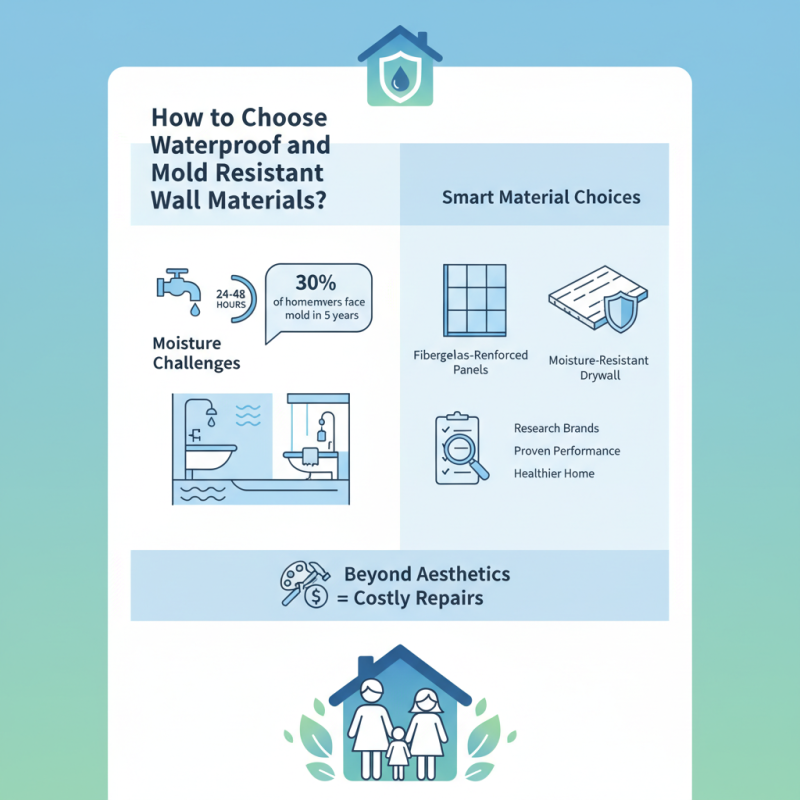
When selecting materials for walls, durability is key. Homeowners often wonder which wall materials are waterproof and mold resistant. A 2022 report by the National Association of Home Builders indicates that over 30% of homeowners encounter mold issues within five years of installation. Using appropriate materials can mitigate this risk significantly.

Waterproof and mold-resistant materials play a crucial role in maintaining indoor air quality. According to industry studies, mold can develop in just 24 to 48 hours under damp conditions. Thus, choosing the right materials becomes even more critical for bathrooms and basements, where moisture levels are typically high.

Commonly used options include fiberglass-reinforced panels and moisture-resistant drywall. However, not all products on the market offer real protection. It's essential to research and select credible brands with proven performance records. Relying solely on aesthetics can lead to costly repairs and health issues. Making informed decisions about wall materials can create a healthier living environment for you and your family.
How to Choose Waterproof and Mold Resistant Wall Materials?

Understanding Waterproof and Mold Resistance in Wall Materials

Choosing the right wall materials for wet areas is crucial. Waterproof and mold-resistant materials offer protection against moisture damage. Understanding how these materials work helps homeowners make informed decisions. Research indicates that approximately 30% of all building-related issues are connected to moisture. Thus, selecting the right materials can significantly reduce health risks and repair costs.

Concrete, glass fiber reinforced gypsum, and polyethylene are common options. Concrete is durable and effective against moisture. Glass fiber reinforced gypsum is lightweight and resistant to mold. While polyethylene is versatile for various applications, its installation quality determines its effectiveness. Proper installation is vital for performance, as even the best materials can fail if not applied correctly.

**Tips:** Always assess environmental conditions. For instance, areas prone to humidity require more robust solutions. Conduct regular inspections for signs of mold or moisture. Consider hiring professionals for installation; their expertise can ensure durability. A small investment in quality materials can save larger costs in the future, particularly where moisture is a concern.

Criteria for Evaluating Waterproof Wall Materials

Choosing the right wall materials can be challenging, especially in areas prone to moisture. When evaluating waterproof materials, consider several key criteria. Look for high permeability ratings. This indicates resistance to water infiltration. Also, consider the material's durability. A robust option will withstand both moisture and mold growth.

**Tips**: Test the material's absorbency. Place a drop of water on its surface. If it beads up, it’s a good sign.

Another important aspect is ease of maintenance. Choose materials that are easy to clean and don't require harsh chemicals. This can help prevent mold buildup. Some materials may look appealing but falter in performance.

**Tips**: Research installation methods. Poor installation can compromise even the best materials.

Finally, consider the cost-effectiveness. Sometimes, cheaper materials can lead to higher costs later due to repair needs. Balance upfront investment with long-term benefits. Think carefully about these criteria to make a well-informed decision.

Waterproof and Mold Resistant Wall Materials Comparison

Common Types of Mold Resistant Wall Materials

When selecting wall materials that resist mold and moisture, consider common options. Some materials include cement board, fiberglass, and specially treated drywall. Each has its distinct advantages.

Cement board is durable and moisture-resistant. It's often used in wet areas like bathrooms. However, it can be heavier and more challenging to install.

Fiberglass panels are another great choice. They are lightweight and easy to handle, ideal for locations with high humidity. Yet, they might not provide the same structural support as denser materials.

Treated drywall is designed to withstand moisture. It offers a balance between affordability and resistance. But, not all treated types are equal. Some still may harbor mold if improperly installed. Always check local guidelines and best practices. Remember, even the best materials can fail without proper sealing and maintenance. These factors must be taken into account for long-lasting results.

Installation Best Practices for Mold Resistance

When installing waterproof and mold-resistant wall materials, paying attention to the details can make a big difference. Start with surface preparation. A clean, dry surface ensures better adhesion for insulation materials. Use vapor barriers wisely to prevent moisture intrusion. This step can often be overlooked but is crucial for long-term performance.

Seal joints and seams meticulously. Gaps allow water to enter, leading to mold growth. Employ caulking and sealants that are specifically designed for wet environments. Additionally, consider the placement of these materials. For areas prone to moisture, such as bathrooms or kitchens, installation should be more rigorous.

Ventilation also plays a vital role in mold resistance. Ensure that areas are well-ventilated during and after installation. Even with the best materials, stagnant air can harbor moisture. Regular inspections post-installation help catch any early signs of trouble. This proactive measure will safeguard your investment. Remember, it's not just about choice; the method of installation is key.

How to Choose Waterproof and Mold Resistant Wall Materials? - Installation Best Practices for Mold Resistance

Material Type Water Resistance Rating Mold Resistance Rating Installation Considerations Cost (per sq ft)
Fiberglass Reinforced Panels High High Easy to install, requires waterproof adhesive $3 - $5
PVC Wall Panels Very High High Requires clean and dry surface; snap-in installation $4 - $7
Cement Board Medium Medium Heavy; requires screws and water-resistant tape $2 - $4
Moisture-Resistant Gypsum Board Medium Medium Standard drywall installation practices apply $1 - $3
Stone or Brick Very High Very High Requires professional installation; heavy materials $10 - $25

Maintenance Tips for Ensuring Longevity and Performance

When it comes to choosing waterproof and mold-resistant wall materials, maintenance is crucial for ensuring longevity and performance. Regular cleaning is a key factor that cannot be overlooked. Dust, dirt, and moisture can accumulate over time, leading to mold growth. Use a gentle cleanser and a soft cloth to maintain the surface, preventing stains and degradation. Be consistent; this vigilance pays off in the long run.

Humidity can pose a significant threat to walls, even those designed to resist mold. Keeping the indoor humidity level below 60% is essential. You can achieve this by using dehumidifiers or ensuring proper ventilation in areas like bathrooms and kitchens. Monitor for any signs of mold or dampness regularly. Addressing small issues early can save you from bigger problems later.

Inspecting and sealing any cracks in the wall is another proactive step. Even waterproof materials can fail if water seeps in through gaps. Consider re-sealing at least once a year to maintain their protective qualities. Remember, what works in one environment may not be effective in another. Adaptation and reflection are key to maintaining your chosen materials.

FAQS

: What factors should I consider when evaluating waterproof wall materials?

: Look for high permeability ratings, durability, and ease of maintenance.

How can I test a material's waterproof ability?

Place a drop of water on the surface. If it beads up, it’s likely resistant.

Why is ease of maintenance important for wall materials?

Easy-to-clean materials help prevent mold buildup and require fewer harsh chemicals.

What are common types of mold-resistant wall materials?

Cement board, fiberglass, and treated drywall are popular choices.

What is the main advantage of cement board?

Cement board is durable and moisture-resistant, suitable for wet areas.

How does fiberglass compare to other materials?

Fiberglass is lightweight and easy to handle but may lack structural support.

Are all treated drywall types the same in performance?

No, not all treated types are equal; some may still allow mold growth if poorly installed.

How can installation affect wall material performance?

Poor installation can compromise even high-quality materials, leading to moisture issues.

Should I always choose the cheapest wall materials?

Cheaper materials may lead to higher long-term repair costs; weigh initial costs against future needs.

What should I remember about maintenance?

Proper sealing and maintenance are crucial for the longevity of any wall material.

Conclusion

Choosing the right wall materials for environments prone to moisture is crucial for preventing mold growth and ensuring durability. Understanding waterproof and mold resistance is the first step in making an informed decision. Key criteria include evaluating the material's resistance to water infiltration, ease of cleaning, and durability under humid conditions. Common types of mold resistant wall materials include fiber cement boards, treated drywall, and specialized coatings that inhibit mold growth.

Installation is equally important; following best practices ensures that these materials perform optimally. Proper sealing, ventilation, and adequate spacing are essential to reduce moisture accumulation. Lastly, regular maintenance, such as inspecting for leaks and cleaning surfaces, will enhance the longevity of these materials. By focusing on these aspects, homeowners can determine which wall materials are waterproof and mold resistant, securing a healthier living environment.

Madeline

Madeline

Madeline is a dedicated marketing professional with a wealth of expertise in our company's core offerings. With a keen understanding of the industry, she brings a unique perspective to her role, consistently delivering high-quality content that highlights the superior aspects of our products. As......