In 2026, homeowners are asking, “are decorative wall panels worth it,” before investing in a full-room makeover. The answer depends on the panel, the room, and the installation quality. A fluted oak wall can soften a bright living room, while waterproof composite panels may handle bathroom humidity better. Cheap materials can still look cheap. That matters.
Interior designer Joanna Gaines has said, “A home should be a reflection of the people who live in it.” Decorative panels support that idea when they add warmth, rhythm, or acoustic comfort without overwhelming the space. A narrow walnut feature wall may create depth behind a sofa. A light-colored slat panel can make a small hallway feel more structured. However, panels cannot repair poor lighting, uneven walls, or weak room planning.
The practical calculation includes more than the product price. Measure adhesive, trims, labor, surface preparation, maintenance, and possible removal costs. Check moisture resistance, fire performance, formaldehyde emissions, and the manufacturer’s installation guidance. Not every “wood-look” panel is suitable for kitchens or damp rooms. Some surfaces collect dust between narrow grooves. Cleaning becomes surprisingly tedious.
Longevity matters in 2026. Recycled content, repairable sections, and low-waste installation can improve the overall value. Still, sustainability claims need evidence, not attractive packaging. Request certifications and warranty details. An experienced installer should also inspect the wall before quoting. My cautious view is simple: panels are worth it when they solve a clear design problem and remain affordable over time. Otherwise, paint may be the smarter choice.
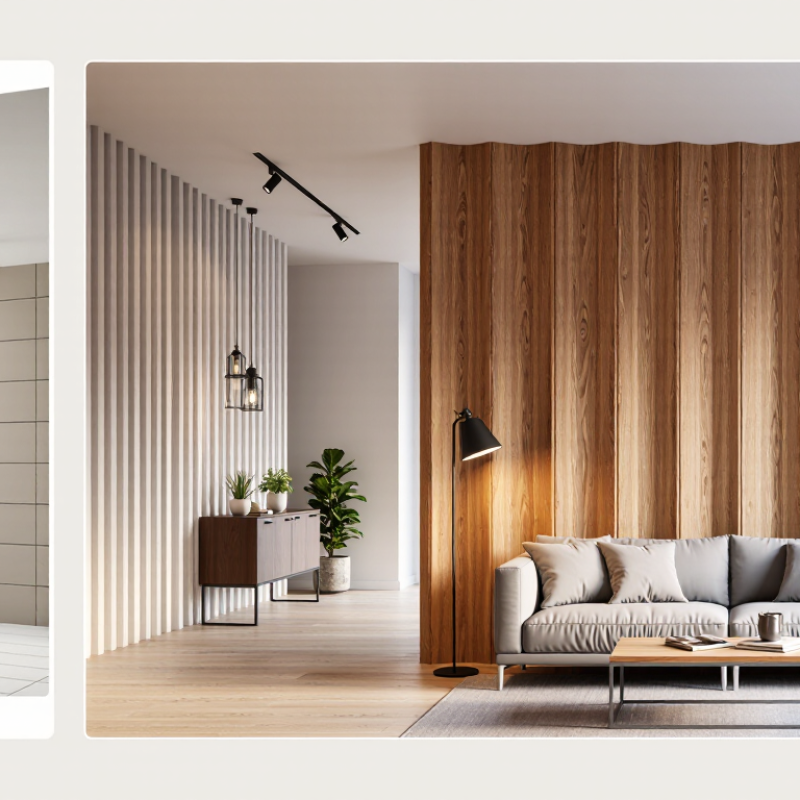
Decorative wall panels are pre-finished surfaces fixed over an existing wall. Common materials include wood fiberboard, PVC, plywood, and mineral-based composites. Their visible layer may imitate timber, stone, fluting, or fabric. The panel changes the room’s texture without rebuilding the entire wall.
Installation usually begins with a dry, stable, reasonably flat surface. Small bumps may disappear behind the panel. Large defects will not. Panels attach with construction adhesive, screws, clips, or a supporting frame. The chosen method depends on weight, wall material, and future access needs.
Leave small expansion gaps near floors and corners. Temperature can make rigid panels move. Ignoring this detail may create raised seams later.
In a renovation setting, panels can reduce painting time and hide tired plaster. Some perforated products also soften reflected sound, especially when installed over an acoustic backing. They do not make a room soundproof. That claim needs caution.
Kitchens and bathrooms require moisture-resistant materials, sealed edges, and careful ventilation. Even then, standing water remains a problem. I have found that dark, heavily textured panels show dust quickly under side lighting. The effect can look dramatic, but maintenance becomes part of the design. Measurements also deserve patience. A beautiful pattern can appear awkward when outlets, doors, or corners interrupt it. The cheaper option may save money today, yet replacement panels and difficult repairs can change the calculation.
Decorative wall panels are more varied in 2026, with each type suited to a different room and budget. Wood veneer panels add natural grain and warmth to bedrooms, studies, and living rooms. MDF panels offer clean grooves and painted finishes at a lower cost. They need careful sealing near moisture. PVC panels resist splashes and clean easily, making them practical for utility areas and some bathrooms.
Acoustic felt panels help reduce echoes in home offices, media rooms, and open-plan spaces. Their soft surface also brings visual contrast beside hard floors and glass. Three-dimensional mineral or composite panels create stone, concrete, or ribbed effects without the weight of solid materials. On renovation projects, I have found that sample boards reveal more than online photos. Colors can look colder under LED lighting. My first choice is not always the best one.
Tips: Check the wall for dampness before ordering panels. Measure outlets, corners, and door trims twice. Leave expansion space where the manufacturer recommends it. For kitchens or bathrooms, inspect the panel’s water-resistance rating, not just its appearance. Adhesive installation looks simple, but uneven walls can produce visible shadows and weak joints. A professional installer is useful for complex patterns, hidden wiring, or large rooms. Some panels also need regular dusting because deep grooves collect debris.
Decorative wall panels are worth considering in 2026 because they combine visual warmth with practical performance. Grand View Research projects the global wall panel market to grow at about 5.8% annually through 2030. That growth reflects demand for faster, cleaner renovation methods.
The strongest benefit is installation efficiency. Many panels cover uneven plaster, minor dents, and dated surfaces without lengthy wet work. A textured wood-look panel can change a cold hallway in one afternoon. Some perforated systems also soften echoes in offices, bedrooms, and media rooms. Check the product’s acoustic rating, though. Appearance alone proves very little.
Energy performance requires careful judgment. The U.S. Department of Energy reports that air sealing and insulation can reduce heating and cooling costs by up to 15% in existing homes. Decorative panels do not automatically provide that insulation. They need suitable backing, sealed joints, and correct installation. The U.S. Environmental Protection Agency reports that construction and demolition activities generated about 600 million tons of waste in 2018. Dry-installed, durable panels may reduce some site waste, but damaged pieces can still become difficult to recycle. That is an uncomfortable detail. A beautiful finish is not always a sustainable choice. Verify fire ratings, moisture resistance, cleaning requirements, and indoor-air certifications before purchase.
Decorative wall panels can be worthwhile when you want faster installation, visual consistency, and improved room acoustics. The chart below shows representative Noise Reduction Coefficient (NRC) ranges for common panel constructions. Higher NRC values indicate greater sound absorption, although actual performance depends on thickness, backing material, air gaps, and installation method.
NRC ranges are representative values commonly reported for comparable panel constructions under ASTM C423 testing conditions. Always check project-specific test results before making acoustic performance claims.
Decorative wall panels can refresh a room quickly, but their drawbacks are easy to underestimate. In real homes, installation quality matters more than showroom appearance. Uneven walls can create visible gaps, raised edges, or soft spots behind the panels. Panels may also reveal bumps instead of hiding them. Moisture is another concern. Bathrooms, kitchens, and poorly ventilated rooms require materials rated for damp conditions. Otherwise, swelling, staining, or trapped moisture may develop over time. I have seen attractive panels fail because the wall was dusty and the adhesive bonded poorly.
Cutting around sockets, switches, corners, and window trim demands patience. Small measurement errors become obvious under strong lighting. Heavy panels may need mechanical fasteners, not adhesive alone. This can complicate installation and leave repair marks if the layout changes later. Some panels also reduce access to wiring or plumbing. Plan those areas before covering the wall. I would not pretend every installation is easy.
Tips: Check the wall with a straightedge before buying materials. Repair cracks, remove loose paint, and let the surface dry fully. Test one panel in a hidden corner first. Leave small expansion gaps where the instructions require them. Use suitable protective equipment when cutting, and keep ventilation open during adhesive curing. Rushing creates expensive mistakes.
Decorative wall panels can be worthwhile in 2026, but their value depends on the room, not the trend. In a hallway, textured panels can hide small scuffs and soften echoes from hard flooring. In a bathroom, moisture resistance matters more than a dramatic surface pattern. I have seen attractive panels fail when installers ignored ventilation and uneven walls. That mistake becomes expensive.
For a tight budget, use panels on one feature wall, behind a bed or sofa. Measure carefully, then add roughly ten percent for cuts and damaged pieces.
Mid-range projects benefit from thicker boards, stable backing, and concealed joints. They usually look calmer under daylight. Higher budgets can support custom sizing, acoustic cores, and professional installation. Still, expensive materials cannot correct poor alignment. Check fire ratings, cleaning instructions, and indoor-air certifications before purchase.
Small rooms need lighter colors and narrow patterns, since bold relief can feel crowded. Large living areas can handle deeper grooves, especially when warm lighting creates changing shadows. For rentals, choose removable systems only after checking the lease and wall condition. A sample should stay in the actual room for two days. Morning light can expose a color mistake. I would also budget for trim, adhesive, tools, and disposal, because these “small” costs often surprise homeowners.
They are pre-finished surfaces fixed over existing walls. They can imitate timber, stone, fabric, or fluted textures.
They can save painting time and refresh a room quickly. Their value depends on installation quality, maintenance, and the room’s conditions.
They may hide small bumps and tired plaster. Large cracks, loose paint, and serious unevenness still need repair.
Check it with a straightedge. Remove loose paint, repair cracks, clean dust, and let the surface dry completely.
Perforated panels with acoustic backing can soften reflected sound. They do not make a room soundproof.
Use moisture-resistant materials, sealed edges, and good ventilation. Standing water remains risky, even with suitable panels.
Cutting around sockets, switches, doors, and corners requires patience. Small measurement errors can become obvious under strong lighting.
Cover one feature wall, such as the area behind a sofa or bed. Add about ten percent for cuts and damaged pieces.
Include trim, adhesive, tools, disposal, and possible repairs. These small costs can quietly change the final price.
Dark, deeply textured panels show dust under side lighting. Light colors and narrow patterns usually suit smaller rooms better.
Decorative wall panels are designed to add texture, color, depth, or visual interest to interior walls while also helping cover uneven surfaces. In 2026, available options may include wood-look panels, acoustic panels, 3D textured designs, moisture-resistant boards, lightweight composite sheets, and customizable modular systems. They can refresh a room more quickly than traditional remodeling and may improve insulation, sound control, or wall durability depending on the material.
However, panels are not suitable for every project. Installation can require accurate measuring, surface preparation, cutting, adhesive, or specialized fasteners, and some materials may be difficult to repair or remove. Moisture, room size, lighting, maintenance, and long-term style preferences should also influence the decision. When asking “are decorative wall panels worth it,” the answer depends on the space, desired performance, installation skill, and budget. Comparing material quality, labor costs, cleaning needs, and expected lifespan can help homeowners choose an attractive and practical solution.

RefDura Panle