Renovating your space can be exciting but costly. Many homeowners struggle with budgets. Learning how to reduce renovation costs with wall materials is essential. The right materials can save money while enhancing aesthetics.
Affordable wall materials come in various options. From vinyl to plywood, choices are plentiful. Each material offers unique benefits and drawbacks. For instance, choosing paint over wallpaper can drastically lower costs. However, not all budget-friendly options last. It's important to consider durability alongside price.
Many underestimate the impact of wall materials on overall renovation costs. Investing time in selecting the right options can lead to significant savings. Be cautious, though; some cheap materials may require frequent maintenance. Reflecting on these choices is crucial for a successful renovation journey. By focusing on practical solutions, you can achieve your dream space without overspending.
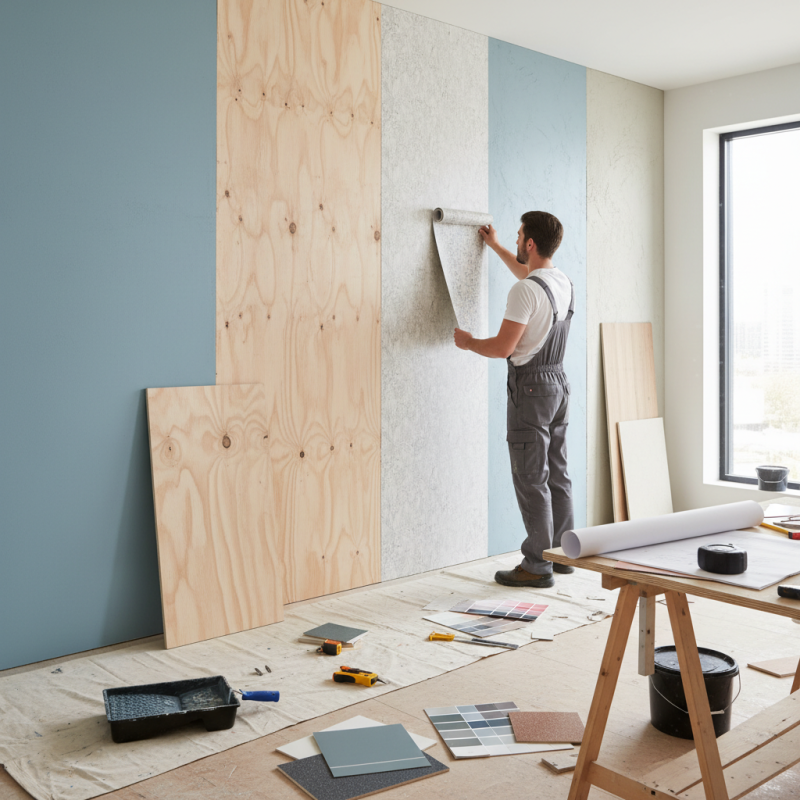
When considering wall materials for renovation, several factors influence the overall costs. Material choice plays a crucial role. For example, drywall typically costs between $1 to $3 per square foot, while natural stone can exceed $10 per square foot. Understanding your budget is vital.
Labor costs are significant too. According to industry reports, labor can account for nearly 40% of total renovation expenses. Hiring skilled contractors can save you money in the long run. Nevertheless, DIY projects can sometimes lead to unexpected costs if mistakes are made.
**Tip:** Always compare quotes. This will help identify reasonable labor charges.
Additionally, the thickness and insulation properties of wall materials can affect energy efficiency, ultimately impacting your bills. For instance, insulated walls can reduce heating and cooling costs over time. Some cheaper materials may require frequent replacements, adding to the lifelong expense. Weight, texture, and maintenance must be considered too.
**Tip:** Consider modular options. They might offer flexibility and cut costs, especially in the long run. Choose materials that bring long-term benefits to your home.
When planning budget-friendly renovations, choosing the right wall materials is crucial. Affordable options can dramatically cut costs while maintaining the aesthetic appeal of your space. Consider materials like plywood or MDF. They are versatile and can be painted or stained to match your design vision. Plywood, in particular, offers both durability and a warm, natural feel. It can be used for accent walls or even as a base for shelves.
Another great option is recycled materials. Repurposed wood or reclaimed bricks not only add character but also reduce waste. They are often cheaper than new materials and can bring a unique touch to your home. Additionally, drywall remains a classic choice for its cost-effectiveness and ease of installation. It might not have the charm of wood, but it offers a clean, modern look. Each of these materials has strengths and weaknesses. Their individual qualities can interact unexpectedly with other design elements, requiring thoughtful placement.
Don’t overlook fabric wall panels. They come in various patterns and textures. Panels can soften acoustics and create a cozy atmosphere. Using fabric instead of traditional paint adds depth to the room. Explore these affordable options and evaluate their potential fit for your renovation needs. The right choice can transform your space without breaking the bank.
When tackling renovation projects, wall preparation is critical for managing costs. Using affordable materials can save a significant amount. According to industry reports, labor costs can account for over 30% of renovation budgets. To minimize these expenses, consider DIY techniques and local resources.
A simple tip is to choose materials like drywall or plasterboard. They offer great insulation and can be found at lower prices. Additionally, using pre-made panels reduces installation time and labor fees. Curating a list of necessary supplies before purchasing is a proven method to avoid impulse buys, keeping your renovation budget intact.
Another cost-saving technique is proper wall preparation. Survey your walls for any damage before starting. An estimated 25% of costs can arise from fixing unexpected issues. Apply a primer coat to your walls, allowing for better adhesion of paint or wallpaper. This small step enhances durability and reduces the need for frequent touch-ups. Remember, meticulous preparation leads to better outcomes.
When considering wall materials for renovation, aesthetics and cost are key factors. A report by the National Association of Home Builders (NAHB) highlights that using affordable materials can reduce expenses by up to 30%. Low-cost options such as drywall, beadboard paneling, and reclaimed wood can dramatically enhance the look of any space. Drywall provides a smooth surface and can be easily painted, offering versatility for different design styles.
Another interesting option is vinyl wall panels. They are lightweight, easy to install, and come in various textures. According to a study by the U.S. Census Bureau, vinyl panels have gained popularity, with installations increasing by 15% over the last five years. While they provide a contemporary feel, some homeowners report durability concerns that may lead to reflection on their long-term value.
Moreover, wallpaper is making a comeback. Modern designs can mimic expensive materials but at a fraction of the cost. Home improvement experts suggest that investing in removable wallpaper can give a space a fresh look. However, perseverance is needed to ensure good application; peeling edges can diminish aesthetic appeal. Exploring these materials not only aids in budget control but also invites creativity to any renovation project.
When considering wall materials for renovation, durability plays a crucial role. Affordable options can provide long-term benefits, aiding in cost savings over time. Materials like cement board or engineered wood are not only budget-friendly but also resilient. They withstand wear and tear better than cheaper alternatives. This durability reduces the need for frequent replacements, which can significantly decrease costs.
Investing in sturdy walls is essential for maintaining the integrity of your home. For instance, insulated panels can enhance energy efficiency and lower utility costs. While initial expenses might be higher, the savings on repairs and energy bills justify the investment. Choosing the right material is a reflection of both financial foresight and environmental responsibility.
There are challenges in selecting the right materials. Not all affordable options are suitable for every climate. Some may require more maintenance, which can increase long-term expenses. It’s vital to research and consult experts in the field. An informed choice can lead to financial benefits and a more sustainable living space. Remember, the impact of your choices today will resonate for years to come.
: Material choice, labor costs, thickness, insulation, and maintenance affect the overall renovation expenses significantly.
Drywall costs $1 to $3 per square foot. Natural stone can exceed $10 per square foot.
DIY projects can save money, but mistakes may lead to unexpected costs. Professional help may be wiser.
Comparing quotes helps identify reasonable labor charges and ensures you get fair pricing for your project.
Insulated walls reduce heating and cooling costs, which can lead to significant utility bill savings over time.
Durable materials like cement board reduce the need for replacements, saving money over time on repairs.
Not all affordable materials are suitable for every climate. Some may require more maintenance, increasing long-term costs.
Weight, texture, durability, energy efficiency, and maintenance needs should all be considered before making a choice.
Investing in sturdy, insulated panels can enhance energy efficiency and lower utility costs in the long run.
Consulting experts helps ensure informed choices that lead to financial benefits and a sustainable living space.
Renovating a space can often be a costly endeavor, but understanding **how to reduce renovation costs with wall materials** can make a significant difference. Key factors that influence renovation costs include the type of wall materials chosen and the preparation and installation techniques employed. Affordable wall material options, such as drywall, plywood, or even repurposed materials, can provide budget-friendly solutions without compromising quality.
Additionally, employing cost-effective techniques for wall preparation and installation can further drive down expenses. Creative approaches to enhancing aesthetics using low-cost materials can achieve a desirable look while sticking to a budget. Ultimately, investing in durable and affordable wall options not only saves money in the short term but also offers long-term benefits, making it a wise choice for any renovation project.

RefDura Panle