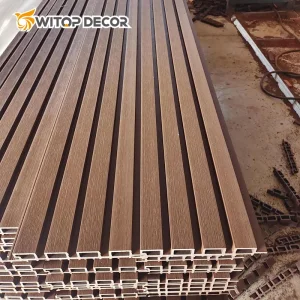
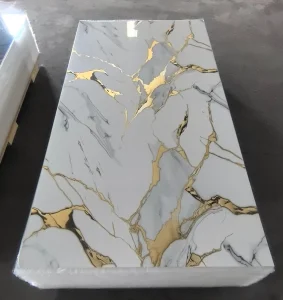
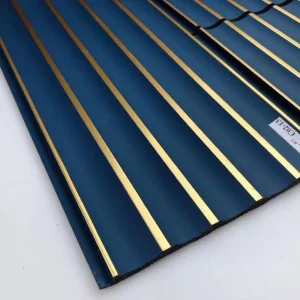
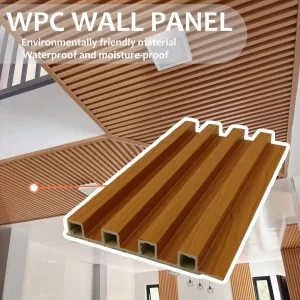
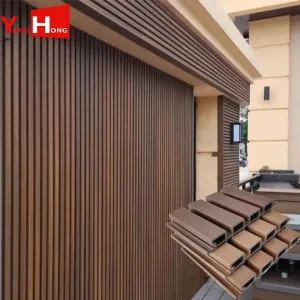
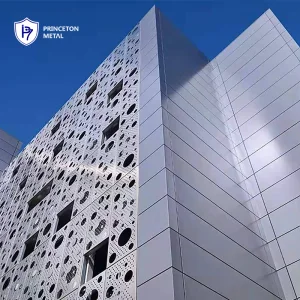
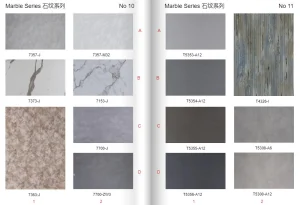
Discover premium-grade exterior cladding, WPC composite panels, and multi-functional interior decorative systems designed for architectural performance and aesthetic excellence.
An analytical breakdown of Oriented Strand Board (OSB) market dynamics, mechanical properties, and supply chain shifting in modern commercial infrastructure.
The global construction industry is experiencing a profound transition toward sustainable, highly engineered wood-based building systems. Oriented Strand Board (OSB) has emerged as the structural backbone of modern dry-process building envelopes, structural insulated panels (SIPs), and advanced interior partitioning. Historically dominated by North American and European manufacturers, the center of gravity for high-yield, technologically advanced OSB production has shifted toward China. This transition is fueled by massive capital investments in automated continuous hot pressing lines, research into low-emission adhesive chemistries, and the rising demand for integrated architectural substrate solutions.
For structural engineering applications, OSB is characterized by its unique three-layer geometric cross-oriented strand design. Unlike traditional plywood, which relies on veneers, OSB utilizes precise wood strands bound together under intense heat and pressure with water-resistant resins. This results in an engineered panel that eliminates natural defects such as knots, core voids, and grain directional weaknesses. Consequently, modern architectural designs specify OSB as the preferred substrate for high-performance exterior wall systems, commercial ceilings, and cleanroom partitions, where load-bearing capacity and dimensional stability are critical.
Deciphering the mechanical performance indicators that classify modern industrial OSB categories under international standards.
Specifying Oriented Strand Board for commercial applications requires an understanding of the EN 300 standards, which define structural classes based on load capacity and moisture exposure resistance. China's top manufacturers specialize in engineering multi-tier grades matching these stringent international criteria:
Engineered specifically to resist moisture absorption and thickness swelling. Using PMDI (Polymeric Diphenylmethane Diisocyanate) resin, OSB/3 panels are ideal for exterior wall sheathing, sub-roofing, and structural substrates for outdoor decorative cladding integration.
Characterized by elevated density metrics, higher bending modulus of elasticity (MOE), and outstanding shear strength. This class is designed for extreme load situations in industrial flooring, timber frame construction, and modular cleanroom panels.
Incorporating MDI polyurethane binders, these panels emit virtually zero volatile organic compounds (VOCs). They comply with strict CARB Phase 2 and EPA TSCA Title VI standards, crucial for interior architectural partitions and cleanrooms.
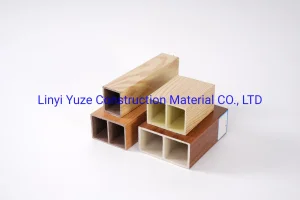
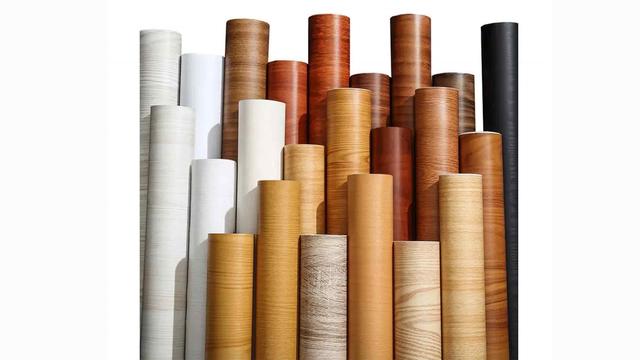
Beyond raw structural panels, advanced Chinese manufacturing specializes in the production of composite engineered panels. By bonding decorative facings—such as PVC, High-Pressure Laminates (HPL), acoustic wood veneers, and moisture-resistant polymers—directly onto OSB or MDF core substrates, manufacturers offer builders an integrated structural-to-finish component. This reduces installation labor, lowers onsite waste, and guarantees uniform quality under controlled factory settings.
Critical indicators for global procurement managers evaluating OEM/ODM panel suppliers in China.
Procuring building materials from Chinese suppliers requires comprehensive due diligence regarding raw material sourcing, automated processing infrastructure, and structural certifications. High-caliber factories utilize continuous European pressing technology (such as Diffenbacher or Siempelkamp lines), which ensures thickness tolerance down to ±0.2mm and uniform density profile distributions across the entire panel surface.
When evaluating suppliers, global buyers must verify the following structural and environmental compliance benchmarks:
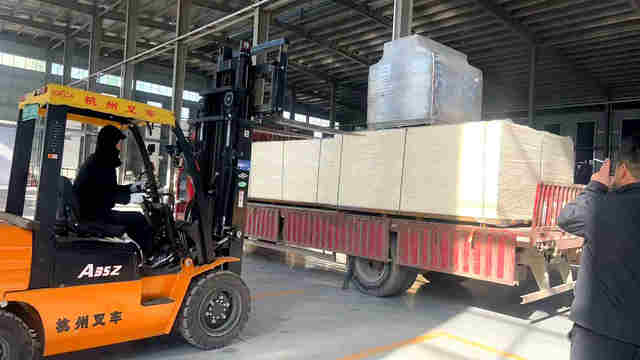
Logistically, partnering with suppliers situated near key coastal trading hubs in China minimizes domestic transportation times and reduces container cargo handling damages, ensuring structural panels arrive in pristine condition at international ports.
From heavy timber frame sheathing to state-of-the-art sterile environments: where engineered substrates and advanced finishes converge.
Modern construction demands holistic architectural solutions rather than isolated material supply. High-density structural boards like OSB, combined with decorative cladding, form critical components in several high-performance application scenarios:
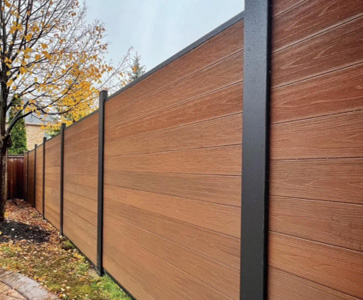
In prefabricated construction, structural insulated panels (SIPs) utilize OSB as the structural facing plates sandwiching an expanded polystyrene (EPS) or polyurethane foam core. This assembly offers superior load-bearing capacity, outstanding thermal insulation, and exceptional wind shear resistance. When finished with advanced exterior cladding options like WPC Wall Panel Cladding or perforated aluminum facade systems, these buildings achieve long-term resistance to weathering and ultraviolet radiation.
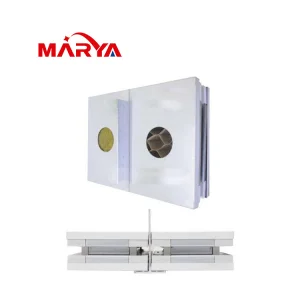
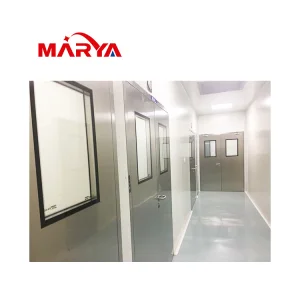
Industrial modular cleanrooms, particularly in the pharmaceutical, biotechnology, and semiconductor manufacturing sectors, require absolute chemical resistance, air-tightness, and zero particulate shredding. In these demanding environments, advanced cleanroom wall panel systems (such as modular steel, CE-certified cleanroom ceiling systems, and compact HPL laminates) are deployed to ensure strict environmental control. The underlying framing and substrate systems rely on moisture-resistant, dimensionally stable engineered wood cores to maintain structural alignment and resist structural shifting over time.
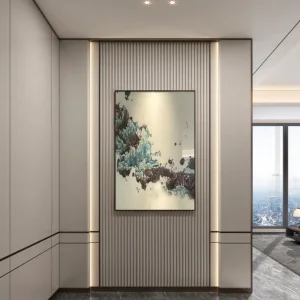
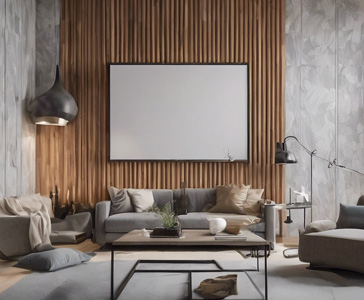
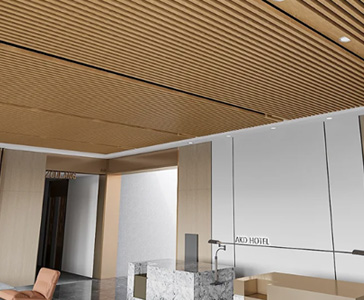
For commercial interior architecture—such as hotels, corporate headquarters, and lecture halls—combining aesthetic quality with acoustic control is paramount. Advanced systems utilize high-density engineered wood (such as MDF or OSB) substrates overlaid with acoustic wood veneers, PET polyester felt backings, and scratch-resistant UV panels. This composite structure dampens sound reflections while providing premium, long-lasting surface aesthetics.
Integrating structural substrate performance with high-end, architectural finishing systems.
Guangzhou RefDura Panel Co., Ltd. is a professional decorative wall panel manufacturer specializing in interior and exterior wall cladding solutions for global markets. With a strong foundation in advanced material engineering and modern production technology, the company delivers high-performance wall systems designed for residential, commercial, and large-scale construction projects.
RefDura offers a comprehensive product portfolio including WPC wall panels, UV marble sheets, SPC panels, flexible stone panels, and acoustic wall solutions. All products are engineered to meet international standards for durability, fire resistance, moisture protection, and environmental sustainability, making them ideal for diverse applications such as hotels, offices, retail spaces, and architectural facades.
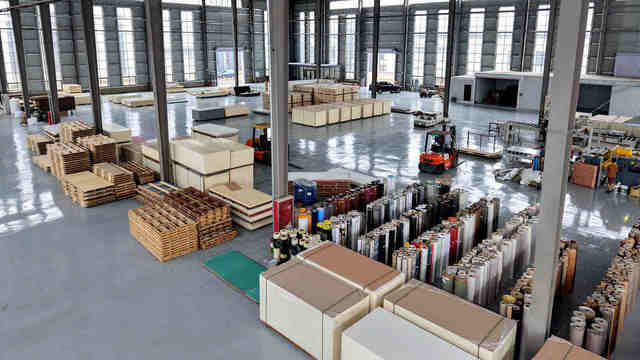
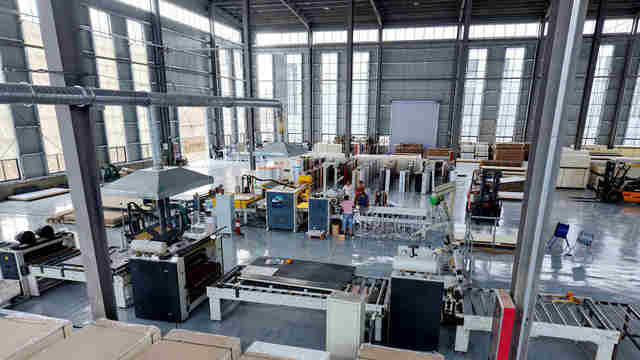
Equipped with automated production lines and strict quality control systems, RefDura ensures consistent product quality and efficient large-scale manufacturing. The company also provides flexible OEM and ODM services, supporting clients with customized designs, surface finishes, sizes, and branding requirements to meet specific market demands.
Driven by innovation and customer-focused service, Guangzhou RefDura Panel Co., Ltd. is committed to delivering cost-effective, easy-to-install, and aesthetically advanced wall cladding systems. With a growing global presence, RefDura continues to be a trusted partner for distributors, contractors, and developers seeking reliable decorative wall panel solutions.
Charting the integration of green chemistry, bio-composites, and smart factory manufacturing in the engineered panel industry.
As global carbon-neutral policies restrict traditional high-emission construction methodologies, the panel manufacturing sector is undertaking an aggressive R&D roadmap. Leading producers in China are targeting three key innovation pillars to maintain competitiveness and fulfill future environmental guidelines:
Transitioning from petroleum-derived polyurethane and isocyanate binders (MDI) to renewable bio-resins formulated from agricultural waste and natural lignin. This technical shift not only minimizes volatile organic compounds (VOCs) but also mitigates the carbon-intensity of the raw panel chemistry, aligning with life-cycle assessment (LCA) target thresholds.
Fusing structural wood fiber cores with advanced polymer and inorganic outer shells (such as mineral dust, bamboo carbon, and fiberglass layers). The resulting hybrid panels deliver unmatched insect resistance, enhanced fire retardancy (Class B-s1, d0 according to EN 13501-1), and exceptional durability under severe weather conditions.
Deploying continuous online ultrasonic inspection systems, 3D laser thickness checkers, and real-time density scanners along the automated hot-press production line. By utilizing machine learning algorithms to adjust press parameters dynamically, manufacturers achieve near-zero defect rates and guarantee structural thickness tolerances down to the sub-millimeter level.
Technical answers for procurement officers, architects, and structural designers selecting Chinese engineered wood and decorative panels.
Explore specialized cleanroom wall panels, partition systems, acoustic panels, and premium carbon-crystal decorative sheets.
 RefDura Panle