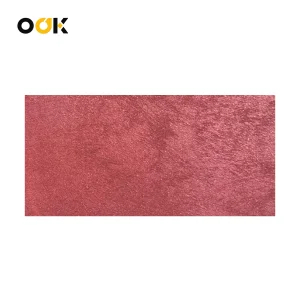
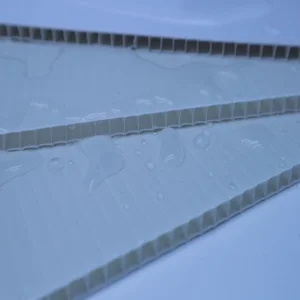
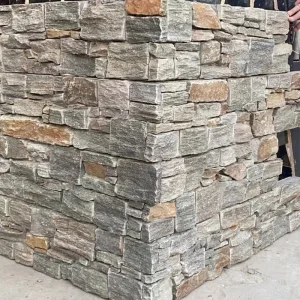
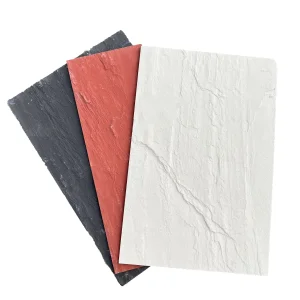
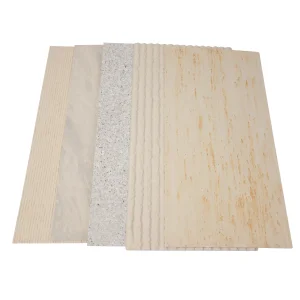
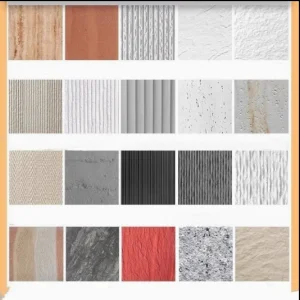
Kazakhstan's construction sector is witnessing a paradigm shift. As the largest economy in Central Asia, the nation is moving away from heavy, traditional masonry towards high-tech, lightweight, and sustainable materials. In cities like Almaty, where seismic activity is a critical engineering consideration, the demand for Flexible Stone Veneer Panels has surged. These panels offer the majestic aesthetic of natural stone without the structural load, making them the preferred choice for seismic-resilient architectural designs.
Expert View: "The extreme temperature fluctuations in Kazakhstan—ranging from -40°C in the north to +40°C in the south—require materials with exceptional thermal stability. Our Flexible Stone Panels are engineered to withstand these thermal cycles without cracking or delamination." - RefDura Technical Engineering Department.
Our MCM (Modified Clay Material) panels are tested against the harsh winters of Nur-Sultan and the dry heat of Shymkent, ensuring 20+ years of color stability and structural integrity.
With the Kazakhstan 2050 Strategy focusing on sustainable urban development, our eco-friendly flexible stone supports "Green Building" certifications required for new government and commercial contracts.
In the fast-paced Kazakhstan real estate market, our lightweight panels reduce installation time by up to 50% compared to traditional stone tiles, significantly lowering labor costs.
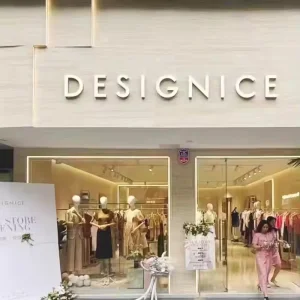
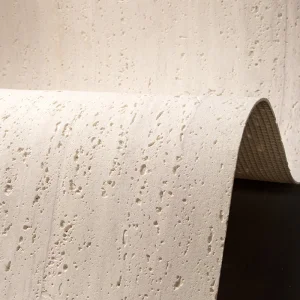
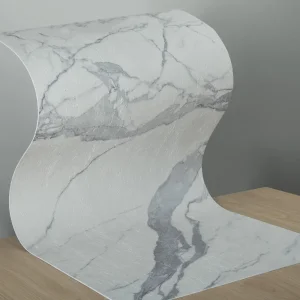
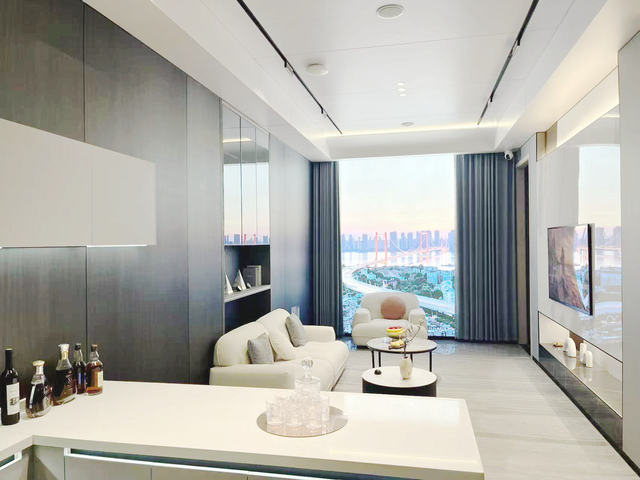
Commercial Hubs & Malls: Large-scale shopping centers in Almaty, such as the MEGA and Esentai Mall styles, utilize flexible stone for curved interior columns and high-traffic wall cladding. The material's flexibility allows it to wrap around circular pillars that would be impossible to cover with rigid natural stone.
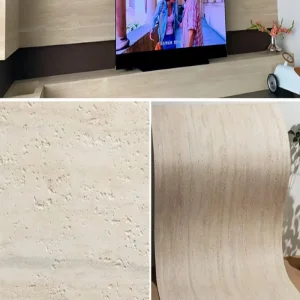
Luxury Residential Villas: In the mountainous foothills of Almaty, private estates are adopting "Split Ledge" and "Travertine" flexible veneers to achieve a natural, rustic look that blends with the Trans-Ili Alatau landscape, while providing superior moisture protection against melting snow.
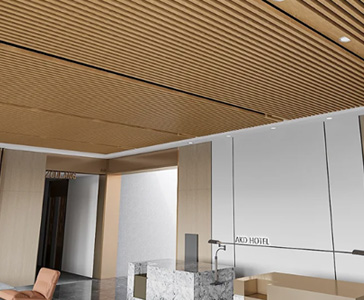
Hospitality & Hotels: New hotel developments in Astana are leveraging the fireproof and lightweight properties of MCM panels to meet strict safety regulations while maintaining a 5-star premium aesthetic for global travelers.
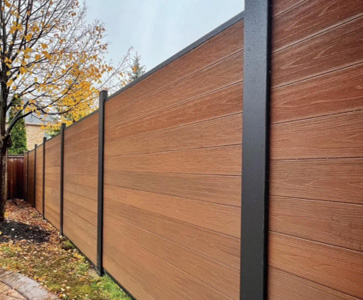
Guangzhou RefDura Panel Co., Ltd. is a professional decorative wall panel manufacturer specializing in interior and exterior wall cladding solutions for global markets. With a strong foundation in advanced material engineering and modern production technology, the company delivers high-performance wall systems designed for residential, commercial, and large-scale construction projects in Kazakhstan and the CIS region.
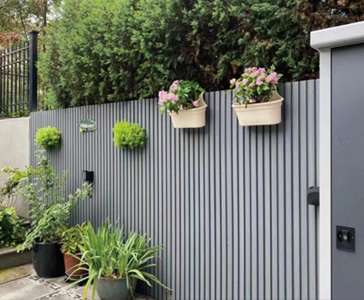
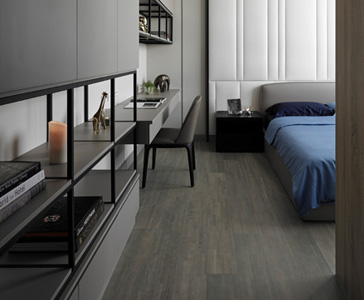
RefDura offers a comprehensive product portfolio including WPC wall panels, UV marble sheets, SPC panels, flexible stone panels, and acoustic wall solutions. All products are engineered to meet international standards for durability, fire resistance, moisture protection, and environmental sustainability, making them ideal for diverse applications such as hotels, offices, retail spaces, and architectural facades.
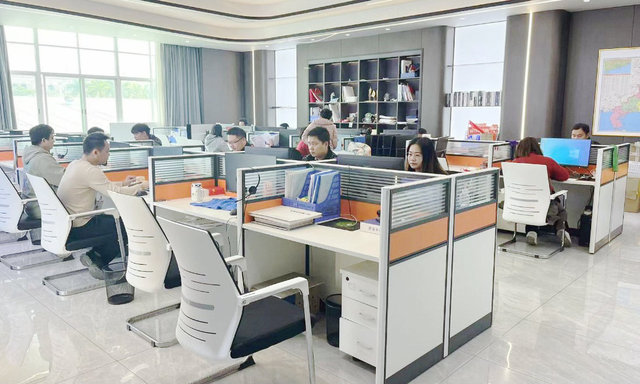
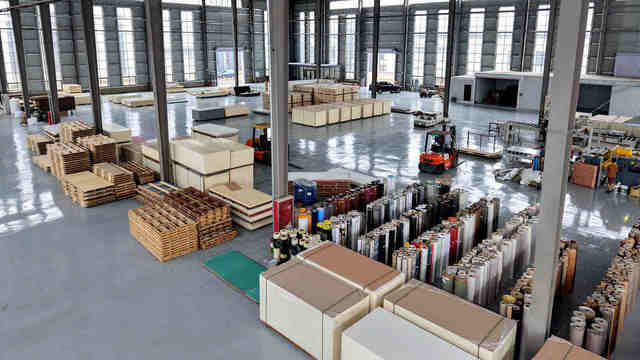
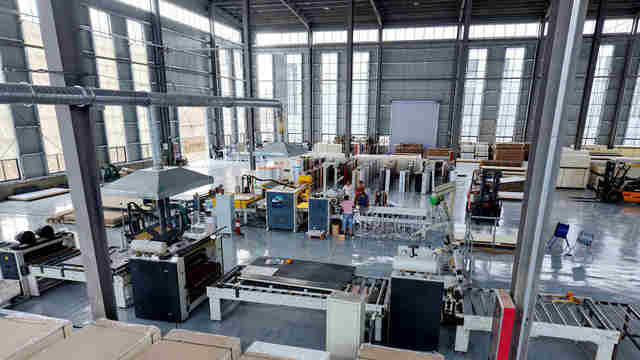
Equipped with automated production lines and strict quality control systems, RefDura ensures consistent product quality and efficient large-scale manufacturing. The company also provides flexible OEM and ODM services, supporting Kazakhstan clients with customized designs, surface finishes, sizes, and branding requirements to meet specific market demands.
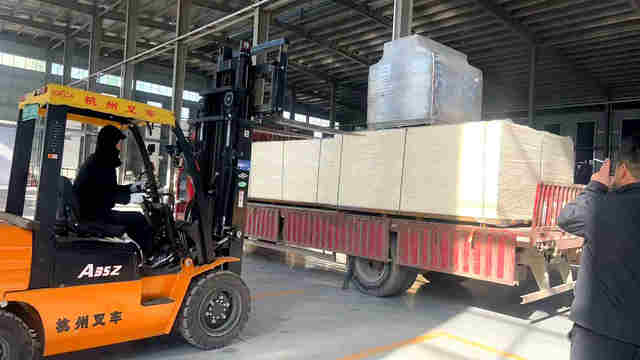
The "Belt and Road Initiative" has significantly streamlined the logistics between manufacturing hubs in China and major distribution centers in Kazakhstan. This has allowed for just-in-time delivery of MCM Flexible Stone to massive infrastructure projects. Looking forward, the integration of AI-driven design and 3D textured finishes will allow Kazakhstan architects to create facades that mimic rare minerals found in the Mangystau region, providing a sense of national pride and local heritage through artificial high-performance materials.
Environmental regulations in Kazakhstan are also tightening. As the country moves towards its carbon neutrality goals, the low-carbon footprint of flexible stone—which requires far less energy to produce and transport than traditional heavy stone—will make it the industry standard for the 2030s.
 RefDura Panle