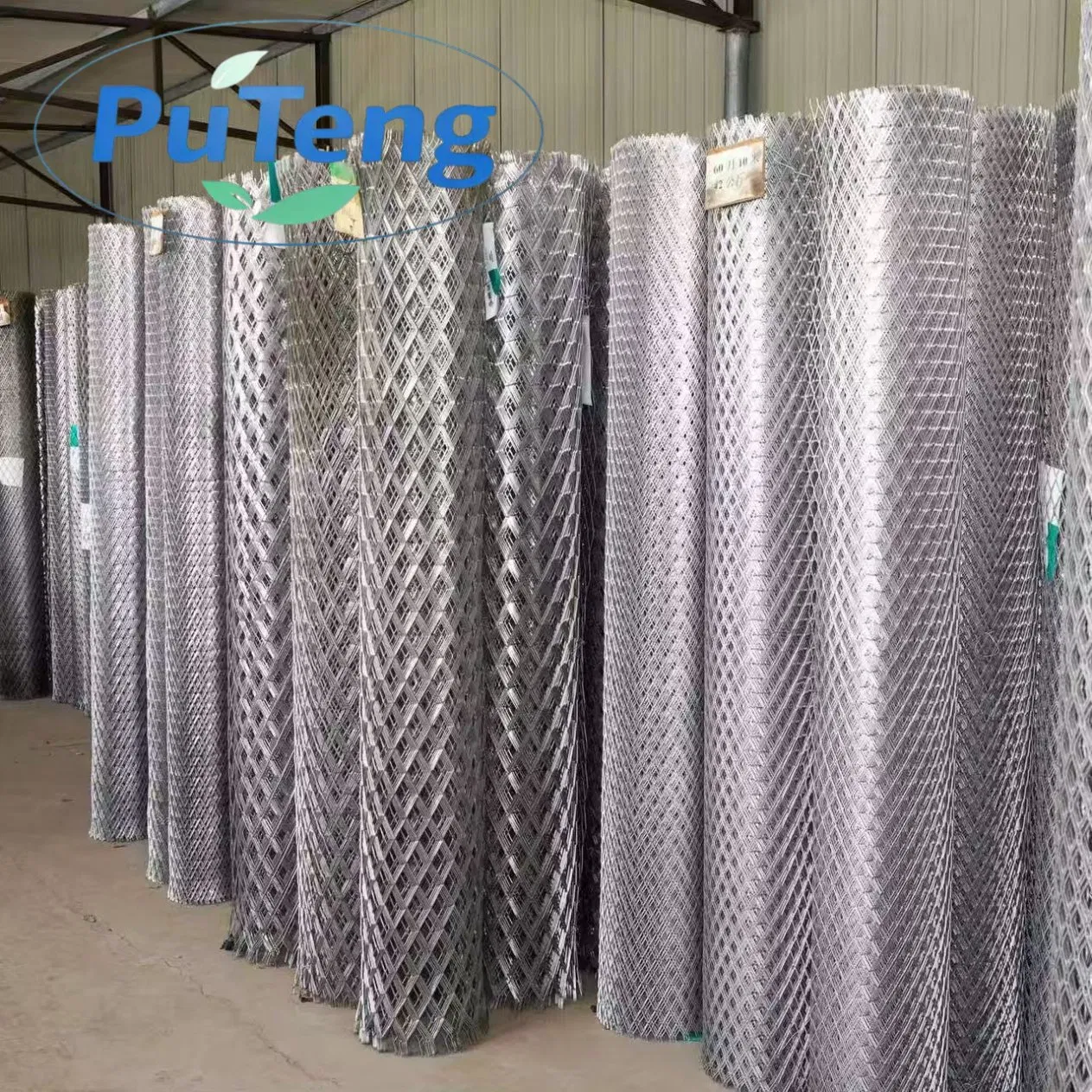
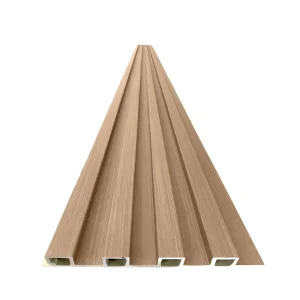
Expanded Metal Serving as Ceiling Panels and Interior Wall Partitions

Still deciding? Get samples of $ !
Order Sample

Product Description

📋 Basic Information
Model NO.
PT-GBW-001
Material
Galvanized Sheet Plate
Application
Construction Wire Mesh, Protecting Mesh, Filter, Sieving, Barbecue Mesh, Cages
Hole Shape
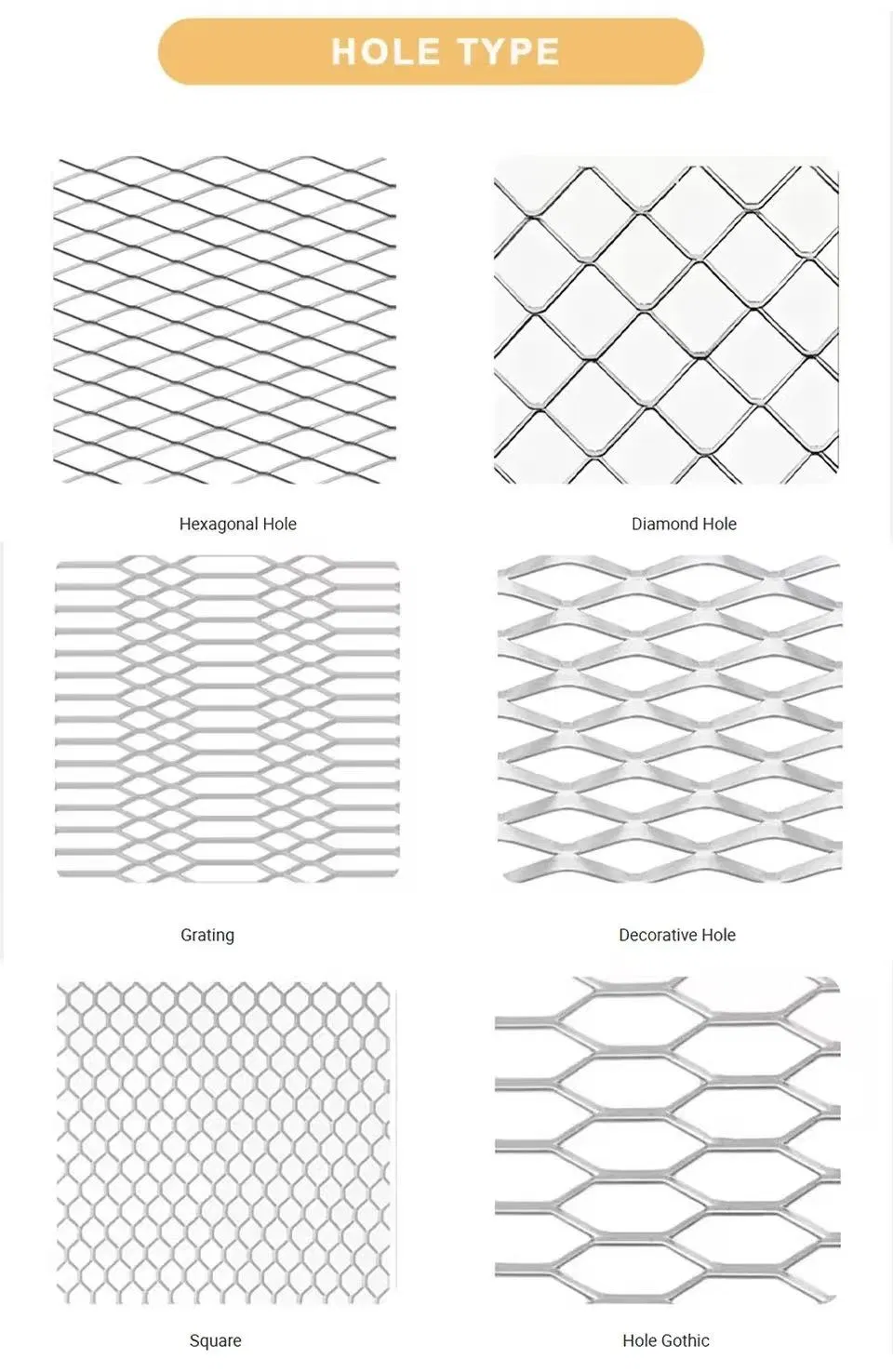
Fish Scale / Diamond
Surface Treatment
Hot-galvanize / Galvanized
Production Capacity
1,000,000 Pieces/Year
Usage
Protection, Aquaculture, Civil Building, Railway & Road Construction
Technique
Stamping / Line Annealing
📦 Packaging & Delivery
Package Size
15.00cm * 15.00cm * 100.00cm
Gross Weight
10.000kg
Transport Package
Tray
🔍 Product Description

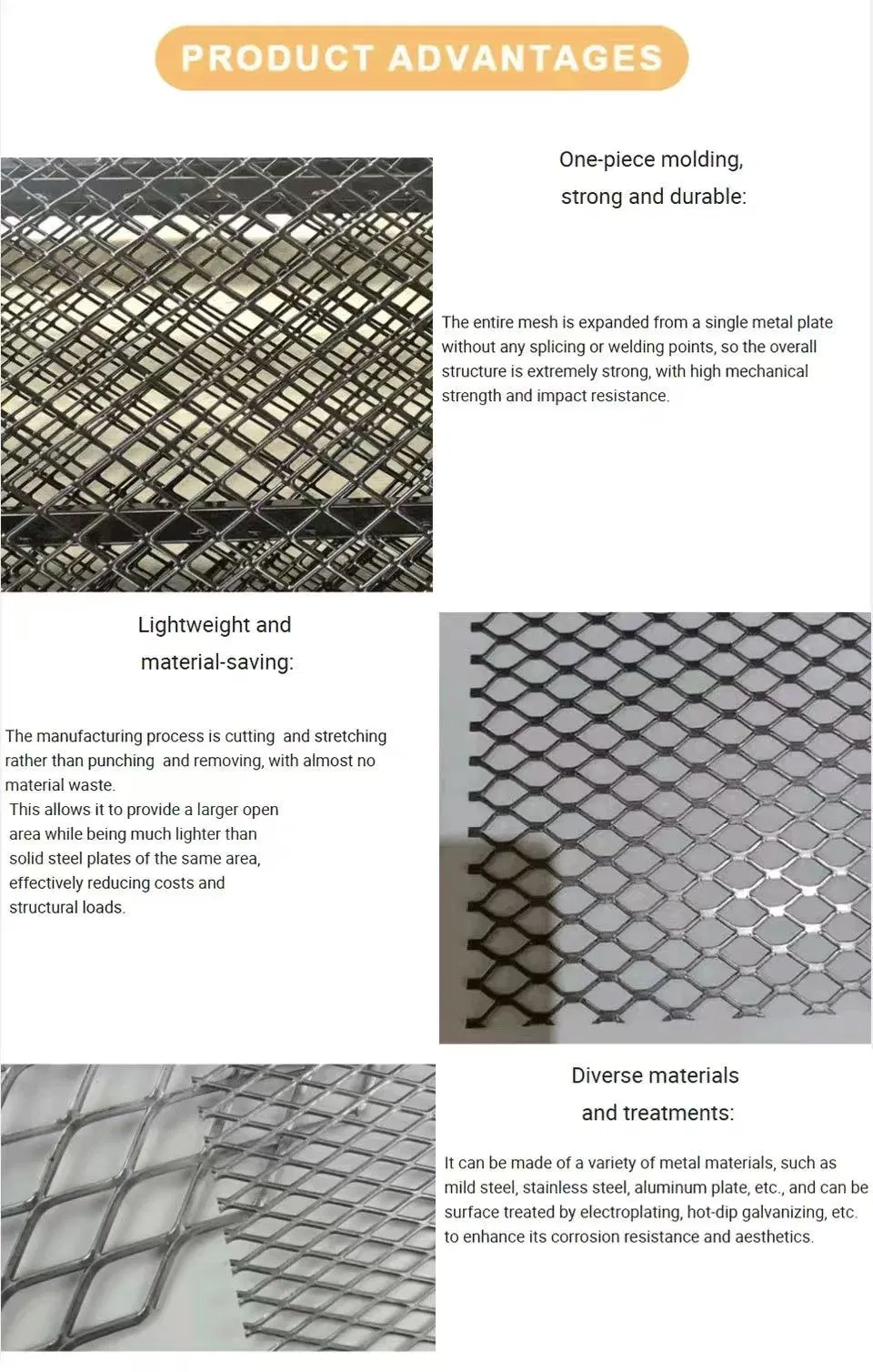
Expanded metal filters, also referred to as expanded mesh filter cylinders, are manufactured from expanded metal sheets. Common structural types include both longitudinal welded pipes and spiral welded pipes. The expanded metal is slit and stretched using punching machines to create various hole patterns, resulting in a product with a robust structure that maintains its shape over time without deformation.

As a result, expanded metal cylindrical filters offer greater rigidity and durability compared to wire mesh filter tubes. We supply expanded metal filters in standard specifications, with diameters ranging from 10 mm to 300 mm and lengths of up to 3 meters. These tubes are typically made from aluminum, galvanized steel, or stainless steel.
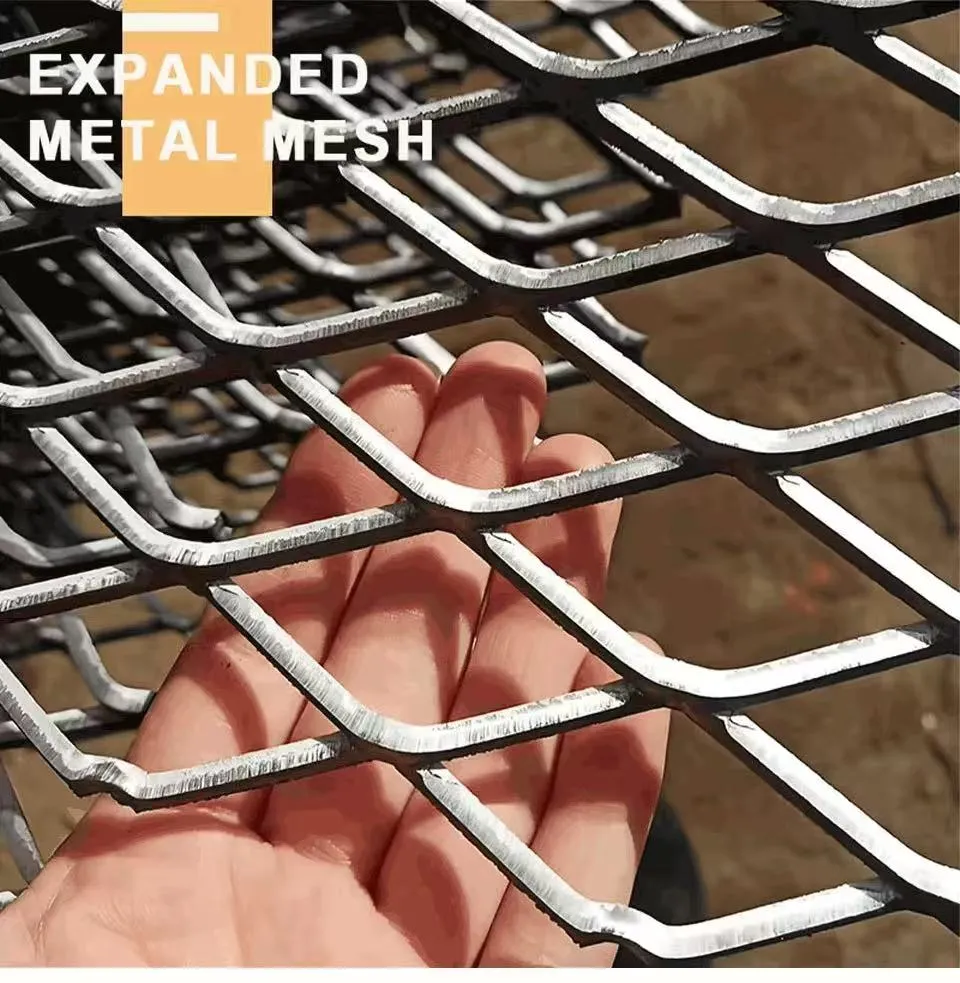
Expanded Metal Filter
Characteristics of Metal Expansion Mesh

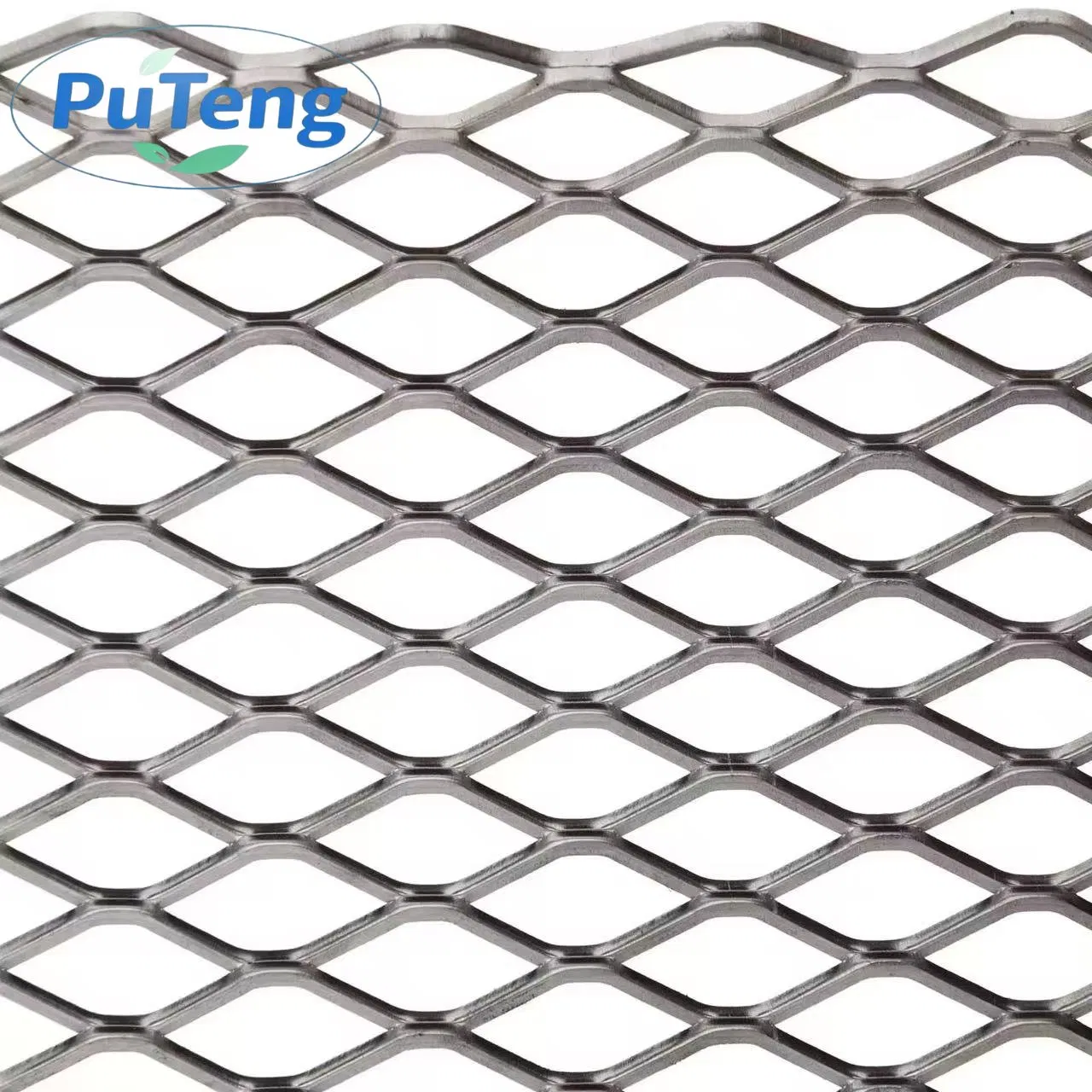
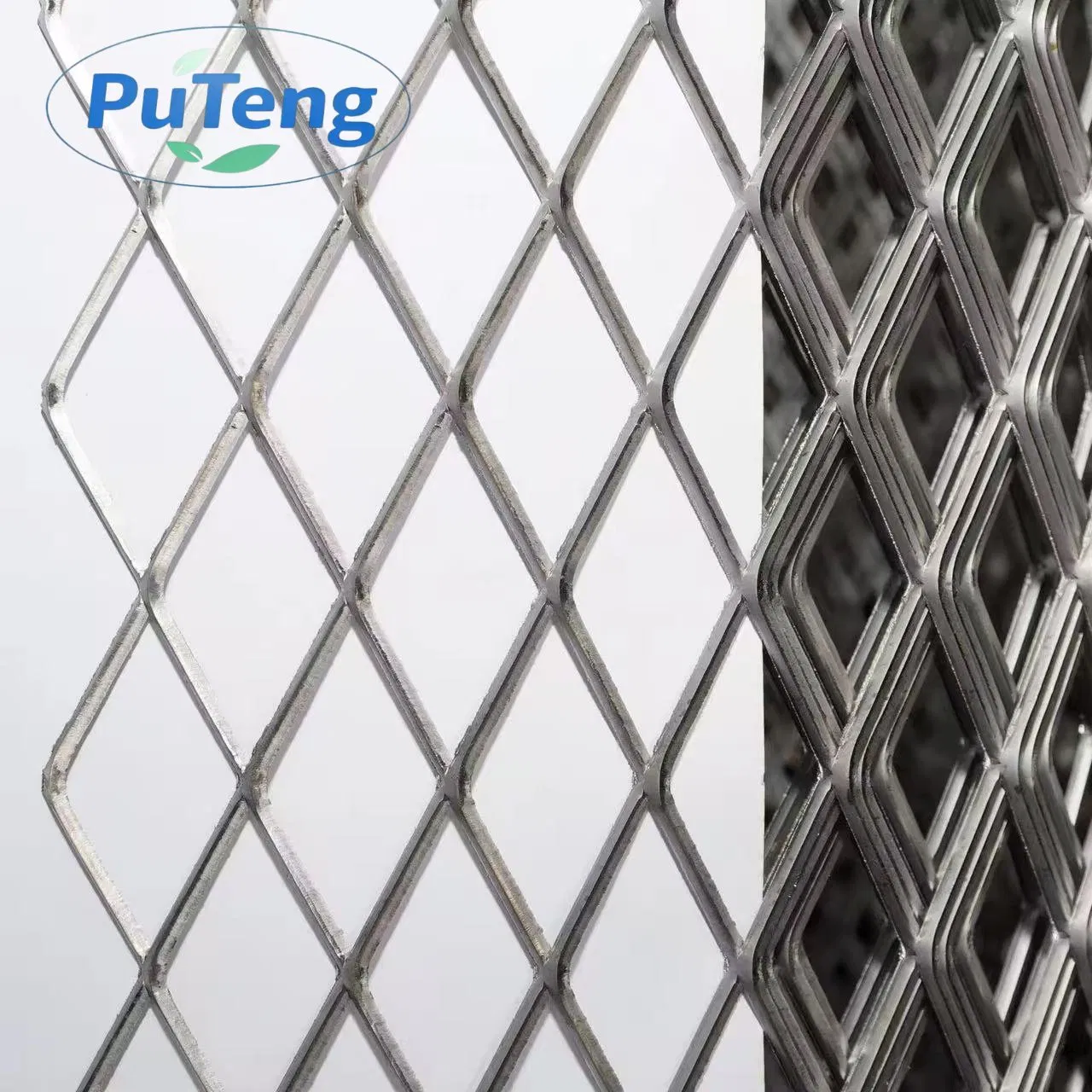
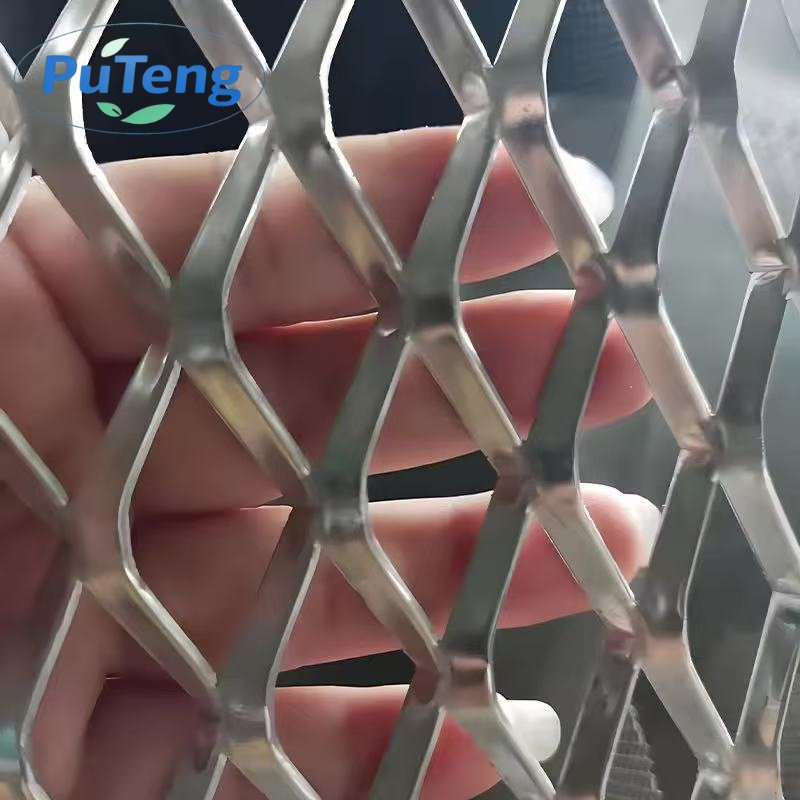
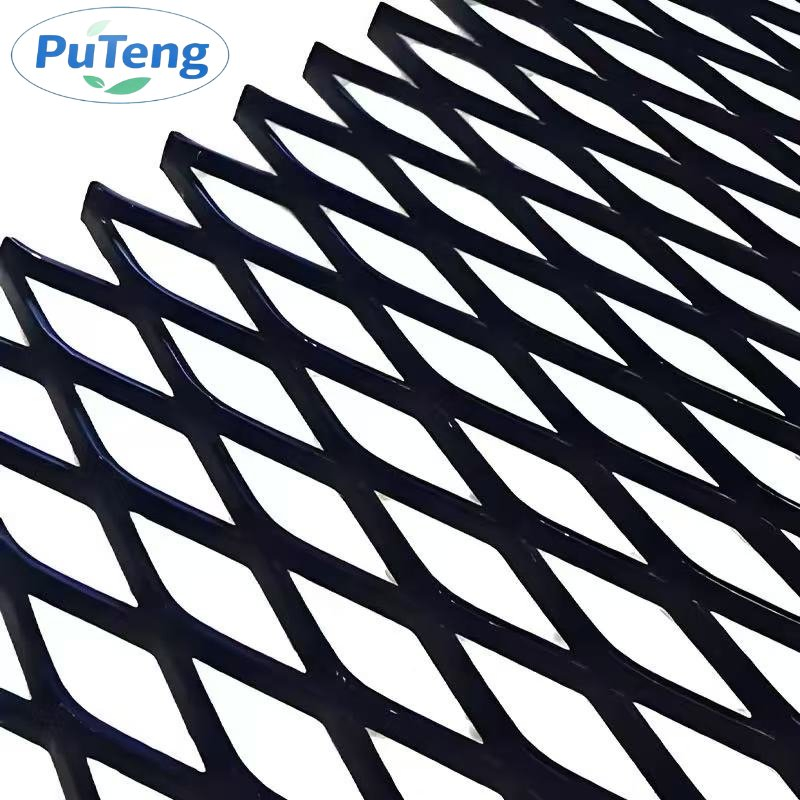
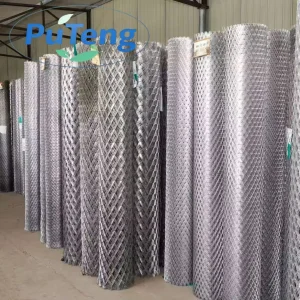
Expanded metal mesh is a material that is precision-cut and stretched from a single piece of sheet metal. It is not woven or welded, and its most notable feature is the absence of welds and waste, resulting in a unique diamond-shaped mesh structure.
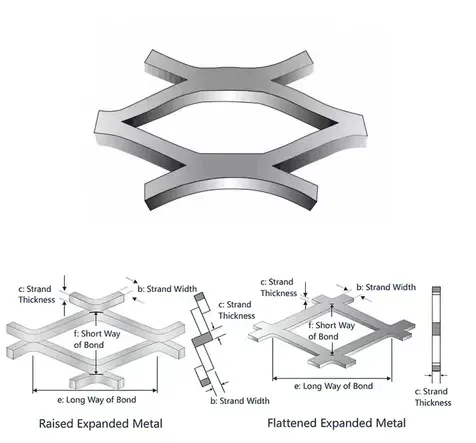
Mesh Structure
Expanded Sheet
Metal Mesh Detail
🏢 Application Scenarios

Expanded metal mesh is widely used across various fields due to its integral weld-free structure, lightweight strength, anti-slip performance, and permeability:
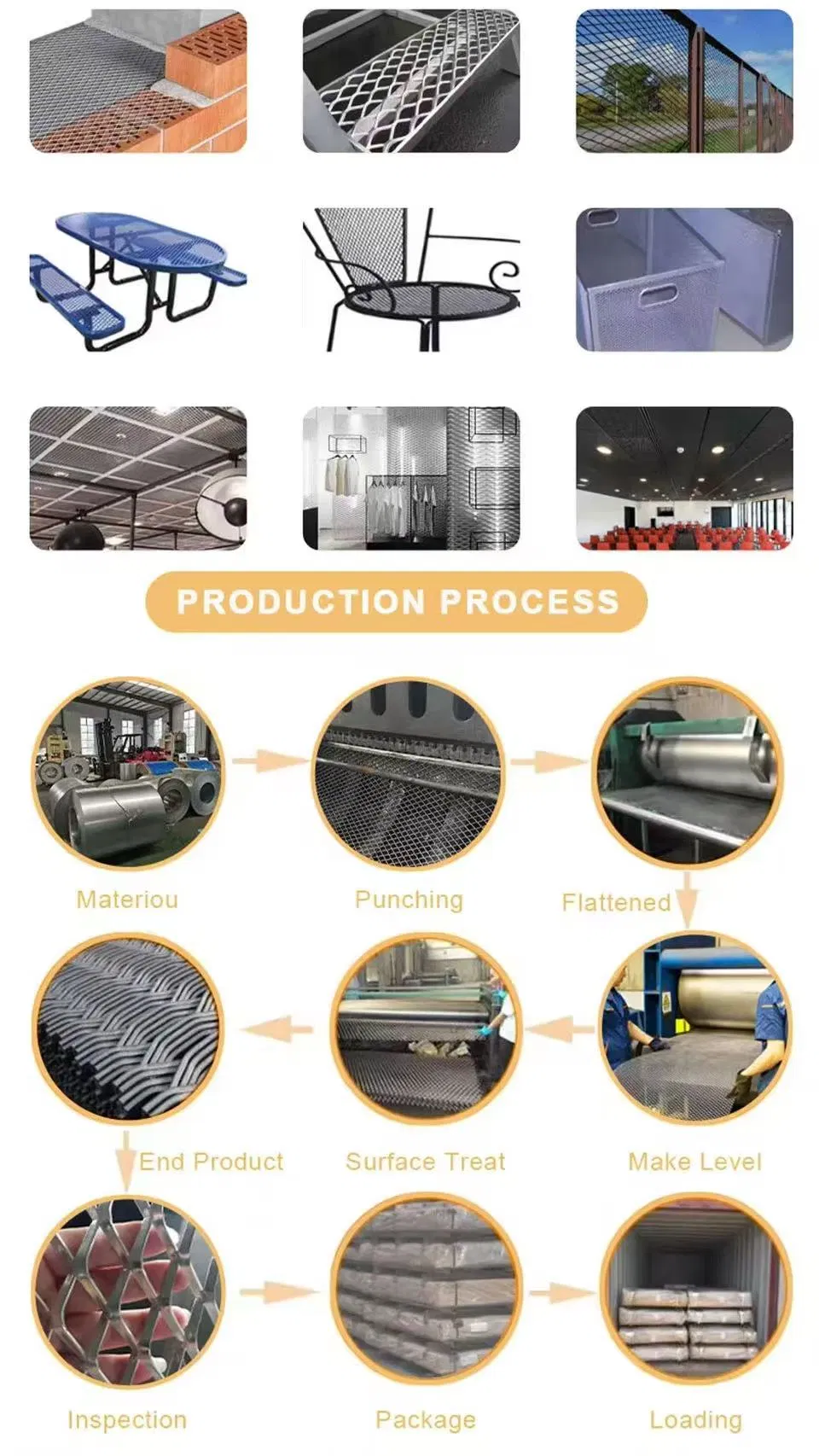
  • Construction & Design: Decorative curtain walls, interior partitions, and ceiling panels.
  • Infrastructure: Non-slip flooring for factory platforms, walkways, and ship decks.
  • Industrial: Filtration and screening in mining and chemical processing.
  • Protection: Ventilation grilles, machinery protective covers, and garden fencing.
Application 1
Application 2
Technical Drawing
📊 Technical Specifications
Mesh thickness(mm) Distance short(mm) Distance long(mm) Strip(mm) Width(m) Length(m) Weight(kg/m2)
0.52.54.50.50.511.8
0.510250.50.620.73
0.6102510.621
0.8102510.621.25
110251.10.621.77
1.515401.51.842.77
218502.1243.69
340803.8245.00
55010051.42.612.39
850100822.128.26
Frequently Asked Questions
What materials are expanded metal filters made from?
These filters are typically manufactured using high-quality aluminum, galvanized steel, or stainless steel to ensure durability and corrosion resistance.
What is the advantage of expanded mesh over woven wire mesh?
Expanded metal is slit and stretched from a single sheet, meaning there are no welds or joints. This provides greater rigidity, better structural integrity, and ensures it maintains its shape under pressure.
In which industries is expanded metal mesh commonly used?
It is widely used in construction (curtain walls, ceilings), industrial safety (nonslip flooring, protective grilles), and filtration (chemical processing, mining).
What hole patterns are available for the mesh?
Common patterns include diamond-shaped and fish-scale designs, which offer excellent permeability and aesthetic appeal for both industrial and architectural uses.
Can expanded metal mesh be used for outdoor applications?
Yes, especially when treated with hot-galvanization or made from stainless steel, it offers excellent weather resistance for garden fencing and balcony railings.
What is the typical size range for expanded mesh cylinders?
Standard specifications include diameters from 10 mm to 300 mm and lengths up to 3 meters, though thickness and strand width can vary based on technical requirements.

Related Products